 How-to
How Long Do Camping Tents Last and What Shortens Their Life
Last Updated: November 12, 2026
Quick Summary
Most camping tents last between five and ten years with regular care, and a well-maintained canvas tent can stretch well past that. The real answer depends on three things: what the tent is made of, how often you pitch it, and how you store it between trips.
- Canvas tents can serve a family for a decade or more when kept dry and clean.
- Nylon and polyester tents generally hold up for several seasons of steady camping before coatings fail.
- Heavy use of 50+ nights a year shortens tent lifespan to 3-5 years.
- Store tents loose in a breathable sack, never compressed in a stuff sack for months.
- Reapply waterproofing spray when water stops beading, usually every couple of seasons.
Table of Contents
- How Long Do Camping Tents Last by Material and Use
- How Long Do Tents Last in Storage
- How Long Do Tents Stay Waterproof
- How to Make a Tent Last Longer
- Tent Waterproofing Spray: When and How to Reapply
- The Inspection Checklist That Decides Repair or Replacement
- Choosing Gear Built to Outlast the Seasons
- Frequently Asked Questions
How Long Do Camping Tents Last by Material and Use
Most camping tents last between five and ten years with regular care, and a well-maintained canvas tent can stretch well past that. The real answer depends on three things: what the tent is made of, how often you pitch it, and how you store it between trips. Campers deciding whether to repair a tired shelter or replace it often find that the pattern comes down to the same few factors. Material sets the ceiling, use sets the pace, and care decides which one you actually reach.
Canvas Versus Nylon and Polyester Lifespans
Canvas wins on longevity. A cotton canvas tent that stays dry and clean can serve a family for a decade or more, because the fabric is thick and the waterproofing lives in the weave itself. Nylon and polyester are lighter and cheaper, but their coatings do the waterproofing, and coatings wear out first. Nylon and polyester tents generally hold up for several seasons of steady camping before the coating starts to fail. The fabric usually outlives the coating on top of it.
Lifespan by Nights of Use With Clear Assumptions
Nights of use give you a better estimate than years, because a tent stored in a garage ages far slower than one pitched every weekend. Here is how we frame it, with assumptions stated up front:
| Use Level | Nights per Year | Realistic Lifespan | Main Limiter |
|---|---|---|---|
| Light use | 5-10 | 10+ years | Storage conditions |
| Moderate use | 20-30 | 6-8 years | Coating wear |
| Heavy use | 50+ | 3-5 years | Abrasion, UV, seams |
These figures assume the tent is dried before storage and pitched in mixed conditions. A tent used heavily but stored wet will fall short of every number above.
How Long Do Tents Last in Storage
A tent in storage can last many years, but only if it goes away bone dry. Moisture is the enemy here. Put a damp tent in a bag and you invite mildew, and mildew eats fabric and coatings alike. Store tents loose in a breathable sack, never compressed in a stuff sack for months. Keep them out of hot attics and sunlit shelves, since heat and UV degrade coatings even when the tent is folded. Check stored tents once a season, air them out, and refold along different lines to avoid permanent creases. Readers planning for family trips can browse family-size tents built for frequent use.
How Long Do Tents Stay Waterproof
Waterproofing is usually the first thing to go, and it fails at different rates on different parts of the tent. Modern tents rely on a polyurethane or silicone coating plus a durable water repellent (DWR) finish and taped seams, and all three break down with UV exposure, abrasion, and repeated folding.
How Waterproofing Fails
The DWR finish is the first layer to go. It makes water bead and roll off, and when it wears away, water starts to soak into the fabric surface. That alone does not mean the tent leaks, but it puts more stress on the coating underneath. The coating itself can fail by flaking, cracking, or delaminating from the fabric. Seam tape fails by lifting at the edges or turning gummy and cracked. Each failure has a different fix, so identify which one you have before buying anything.
Testing Before Each Season
Pitch the tent with the rainfly on and spray it with a hose or a spray bottle. Watch three things: whether water beads on the fly, whether it darkens the fabric, and whether dampness appears along the seams inside. Beading means the DWR is working. Darkening fabric means the DWR is spent and the coating is doing the work. Damp seams mean the tape needs attention. A light spray at home before each season catches problems before a storm does.
Re-Treating Versus Replacing
Reapply tent waterproofing spray when water stops beading on the fabric, usually every couple of seasons on a well-used tent. Clean and dry the tent first, then spray evenly and let it cure fully before packing. Focus on the rainfly, seams, and floor, the areas that take the most wear. Check the product label for cure times, since they vary. A fresh coat restores water repellency and buys you more seasons from a shelter that still has good fabric and structure.
Watch out: re-treatment will not save a tent whose coating is flaking off in sheets or whose fabric has gone soft and sticky. In that case the coating has failed at the fabric level, and a new tent is the better investment.
How to Make a Tent Last Longer
The single biggest factor in tent lifespan is how you treat it after the trip, not during it. Cleaning, drying, and smart storage add years to any shelter, and they cost almost nothing. Here is what to do:
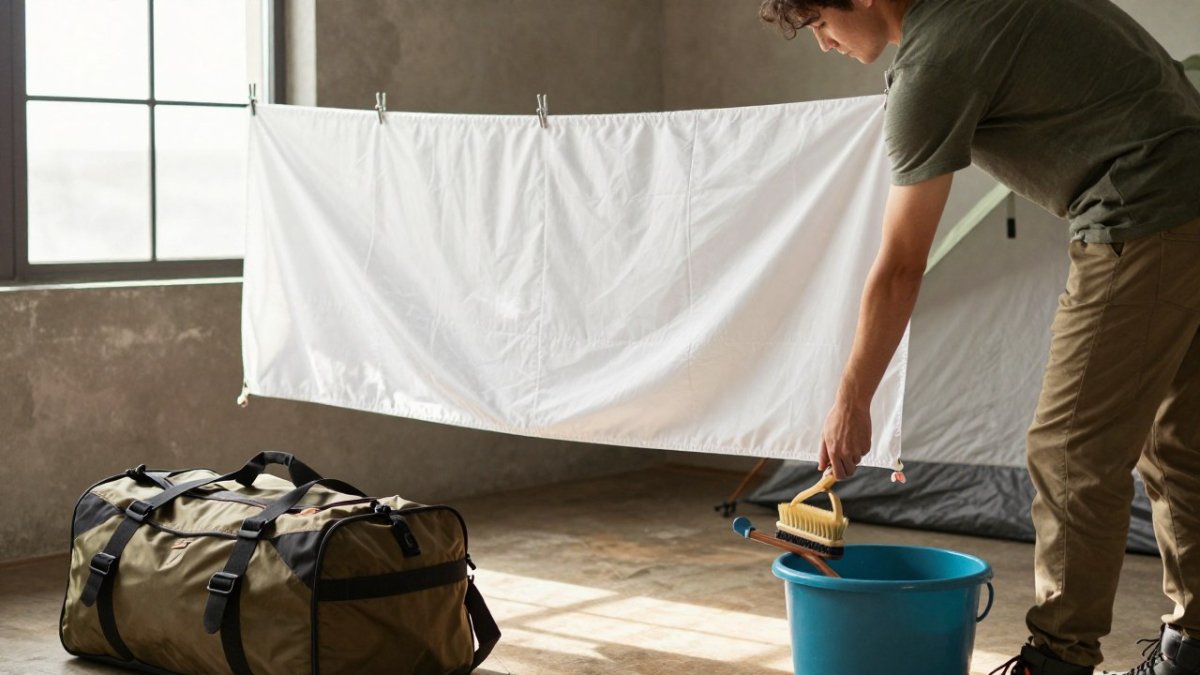
- Shake out dirt and debris before packing
- Wipe the floor with a damp cloth, no harsh soap
- Dry fully in shade, never direct sun
- Store loose in a breathable bag
- Keep away from heat and sunlight
- Air out stored tents each season
Cleaning, Drying, and Storage Practices
Mild soap and water handle most cleaning. Skip detergents, bleach, and pressure washers, since they strip coatings. Dry the tent in shade with good airflow, and never pack it away damp, even if you are tired at the end of a trip. A common mistake is stuffing a tent back in its sack at the trailhead after a dewy morning, which can lead to mildew.
Tent Waterproofing Spray: When and How to Reapply
Reapply tent waterproofing spray when water stops beading on the fabric, usually every couple of seasons on a well-used tent. Clean and dry the tent first, then spray evenly and let it cure fully before packing. Focus on the rainfly, seams, and floor, the areas that take the most wear. Check the product label for cure times, since they vary. A fresh coat restores water repellency and buys you more seasons from a shelter that still has good fabric and structure.
The Inspection Checklist That Decides Repair or Replacement
Run this check before you spend money on a new tent. Many "worn out" tents need a seam re-tape or a new coat of spray, not replacement. The goal is to separate cosmetic aging from failures that compromise shelter, and to know which repairs are realistic for a home fixer versus a repair shop.
How to Inspect Each Component
Start with the tent pitched and dry, in shade, with the rainfly on. Work from the top down and note what you find.
Fabric and coating. Hold the fabric up to light. Pinholes and thin spots show as bright dots. Look for delamination, where the coating peels away from the fabric in sheets or flakes.
Seams. Run a fingernail along the seam tape. Tape that lifts at the edges can be re-taped. Tape that is cracked, gummy, or missing along a full seam needs replacement.
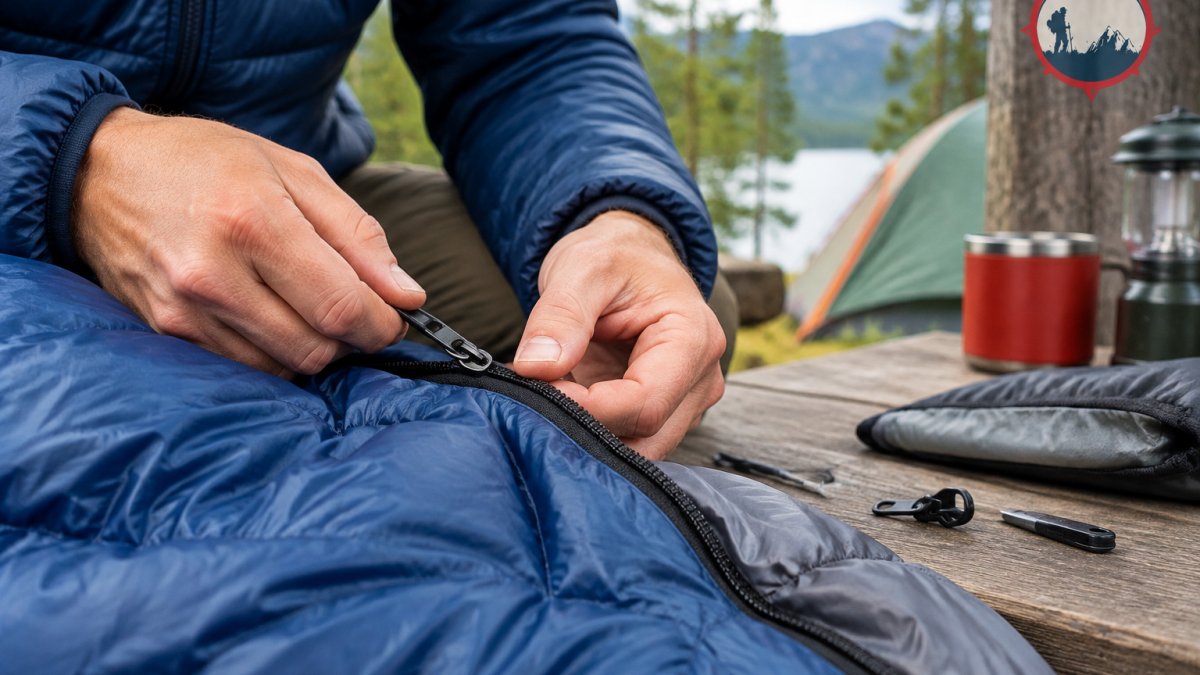
Zippers. Zip each one fully, then back. Stiffness usually means dirt or a bent slider, both fixable.
Poles and shock cord. Assemble the poles and flex them. Cracked or bent sections are a replacement signal. Stretched shock cord that no longer snaps the poles together is a cheap, easy fix.
Floor and groundsheet. Inspect the floor from underneath. Abrasion at the corners and under sleep pads is normal. Holes larger than a coin, or a floor that has gone sticky and soft, point to coating failure.
Repair Difficulty and When Replacement Wins
| Component | Common Repair | Difficulty | Replace When |
|---|---|---|---|
| DWR / waterproofing | Spray-on re-treatment | Easy | Coating flakes across panels |
| Seam tape | Re-tape with seam tape | Easy to moderate | Stitching fails along a full seam |
| Pinholes | Patch with repair tape | Easy | Tears longer than a few inches |
| Zipper slider | Replace slider | Moderate | Teeth missing or coil split |
| Shock cord | Re-string cord | Easy | Pole sections cracked or bent |
| Pole section | Splint or replace section | Moderate | Multiple sections bent |
| Floor | Patch or groundsheet | Easy | Floor soft, sticky, or delaminated |
A practical rule: if two or more rows land in the "replace when" column, or if the repair cost approaches the price of a comparable new tent, replacement is the better call. If you are judging whether to replace gear, our guide on how to tell quality camping gear walks through what to look for before you buy again.
Watch out: a tent that passes a visual check can still fail in wind or rain, so pitch it and spray it with a hose before trusting it on a trip.
Choosing Gear Built to Outlast the Seasons
Buying for lifespan beats buying for price, and the math favors it over time. A tent that lasts longer can cost less per night, even if it costs more up front. Our guide to durable tents for wilderness excursions covers what separates a shelter that lasts from one that quits early, and our breakdown of whether expensive camping gear is worth it helps you weigh cost against years of service. When you are ready to shop, you can browse our camping tents and find a shelter matched to how you actually camp.
A tent that fails on a cold, wet night is more than an inconvenience. We built Survive Nation to help campers and prepared households avoid that moment, with reliable outdoor and emergency gear at prices that stay accessible. Our fast, user-friendly online store and customer service team make it easy to find the right shelter and get back outside. Get started with Survive Nation and choose gear built to serve you season after season.
Frequently Asked Questions
What is the average lifespan of a camping tent?
Most camping tents last about 5 to 10 years with moderate use and proper care. Canvas tents used seasonally can stretch well beyond that if they are dried thoroughly before storage, while lightweight nylon and polyester tents used heavily in direct sunlight often need replacement sooner. Frequency of use, UV exposure, and whether the tent is stored dry matter more than the price tag. A tent kept clean, dry, and out of the sun between trips sits at the top of that range.
How can you tell when a tent needs to be replaced?
Replace a tent when the fabric tears easily under light tension, the waterproof coating has flaked off in patches, or seam tape is peeling along multiple seams. Check zippers, pole shock cord, and the floor for abrasion holes. If repairs would cost more than a new shelter or the tent no longer keeps rain out after re-waterproofing, it is time to replace it. Small issues like a single failed seam or a bent pole are usually fixable and do not justify a new tent.
Do tents stay waterproof forever?
No. Waterproof coatings and water-repellent finishes wear down with UV exposure, abrasion, and repeated folding. A tent used regularly may need a tent waterproofing spray periodically to restore the rainfly and canopy. Seam tape can also peel over time. Test the fabric by misting it with water: if it soaks in instead of beading, it is time to reapply a spray-on or wash-in treatment according to the manufacturer's instructions.
How long do tents last in storage?
A tent stored clean, bone-dry, and away from heat and sunlight can stay serviceable for many years without use. The real risk is moisture: packing a tent damp traps humidity that leads to mildew, which weakens fabric and leaves permanent stains. Store tents loosely in a breathable bag rather than compressed, keep them off concrete floors, and inspect them once a year. Coating and seam tape can degrade slowly even in storage, so recheck waterproofing before your first trip back.