 blog
7 Best Freeze-Dried Food Options for Families
Last Updated: October 25, 2026
Quick Summary
The best freeze-dried food for families balances serving-size honesty, meal variety, and clean ingredients, and you should compare kits on cost per 1,000 calories rather than servings. Build your supply by meal slot, add a 10-15% buffer, and taste-test each entrée before buying in bulk.
- Count adult-equivalents by appetite, not heads: a teen counts 1.0 to 1.2 and a child under 6 counts 0.4 to 0.5.
- Freeze-dried food typically lasts 10 to 25 years when stored properly, with entrées in sealed pouches at the longer end.
- Store pouches in a cool, dark, dry space ideally below 75°F and keep them off concrete floors.
- A $100 bucket with 12,000 calories costs about $8.33 per 1,000 calories and roughly 6 adult-days of food.
- Spend roughly half the food budget on core calories, a third on entrées, and the rest on snacks and morale items.
Table of Contents
- Why Freeze-Dried Food Makes Sense for Families
- Best Freeze-Dried Food Brands and What Sets Them Apart
- How Much Emergency Food to Store for a Family
- How Long Does Freeze-Dried Food Last?
- Freeze-Dried Food Storage Tips for Long-Term Pantry Use
- Cost Per Serving and What Families Actually Pay
- Choosing the Right Freeze-Dried Food for Your Family
- Frequently Asked Questions
Why Freeze-Dried Food Makes Sense for Families
Freeze-dried food is a practical choice for families because it keeps its nutrients, flavor, and texture for years without refrigeration, and it rehydrates in minutes with hot water.
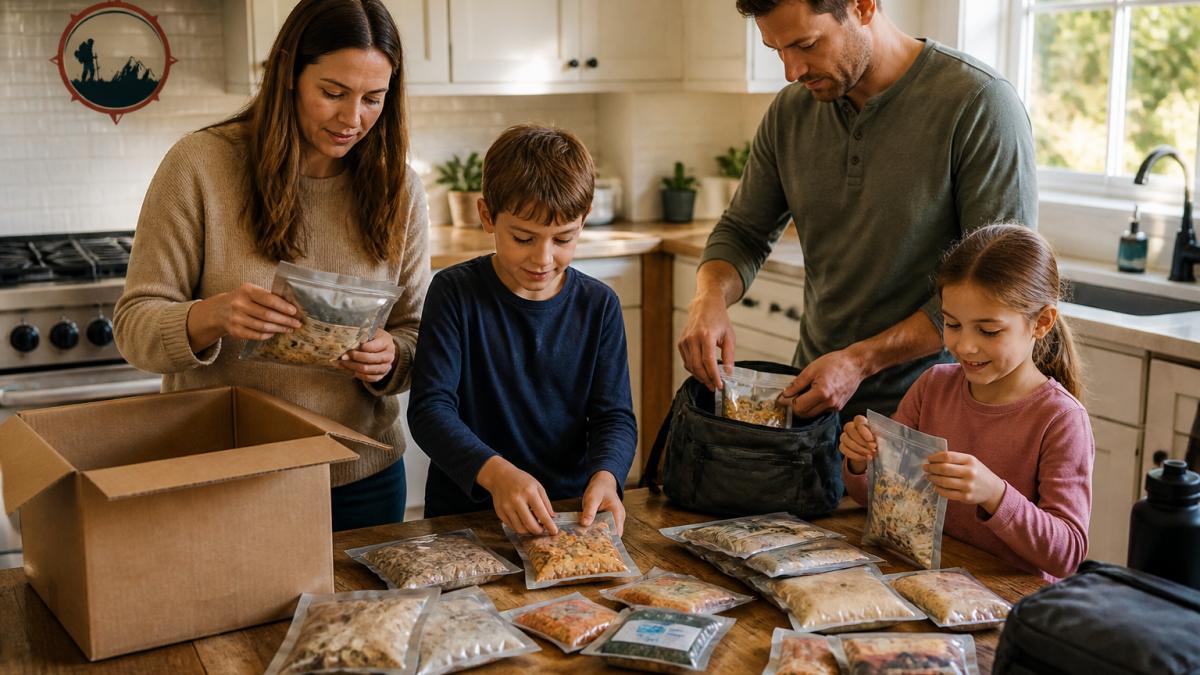
The math is simple. A freezer full of food fails the moment the grid does. A shelf-stable supply does not.
Below, we break down the best freeze-dried food for families by brand, meal type, cost, and storage method, so you can stock a pantry that actually works when you need it.
Best Freeze-Dried Food Brands and What Sets Them Apart
The best freeze-dried food brands for families earn their reputation on three things: serving size honesty, meal variety, and how clean the ingredient list is. Pouch counts can mislead. A "2-serving" entree often feeds one hungry adult, not two.
What most guides miss is that brand quality varies most in rehydration and texture. Rice and pasta hold up well. Some vegetables turn soft.
For a wider look at how freeze-dried picks stack up against other storage options, our roundup of the 7 best emergency food storage options compares them side by side.
Family Packs vs. Individual Pouches
Family packs win on value and speed. One large pouch feeds four and cuts packaging waste. Individual pouches win on flexibility: picky eaters get their own meal, and you open only what you need. A common approach is to buy family packs for dinners and individual pouches for breakfasts and snacks. That split keeps costs down without forcing everyone into the same entree.
Breakfast, Lunch, and Dinner Options
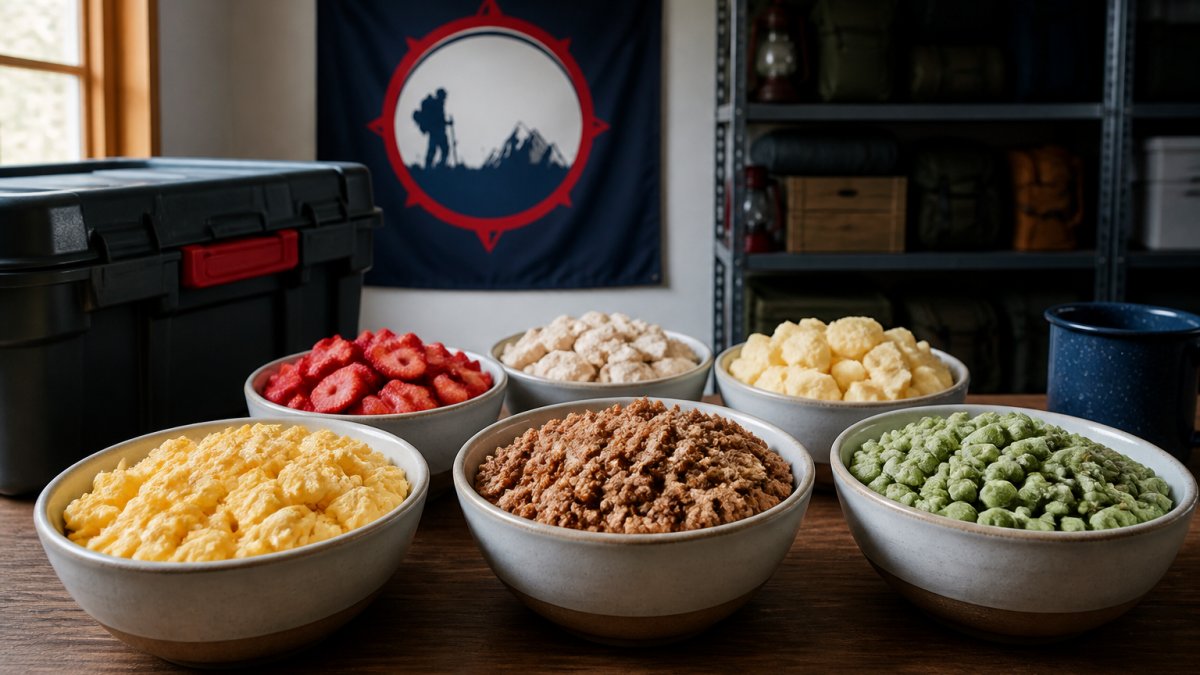
Breakfast leans on oatmeal, granola, and fruit. Lunch favors quick entrées like rice bowls and soups. Dinner is where meal variety matters most, so rotate at least three entrées to avoid flavor fatigue. Freeze-dried fruit makes a strong breakfast and snack addition.
How Much Emergency Food to Store for a Family
Most guides answer this with one number, "store two weeks per person", and stop. That number is a starting point, not a plan. A family of four with a toddler, a teenager, and two adults does not eat like four average adults, and a supply built on the wrong assumption runs out early or sits uneaten.
Step 1: Count People by Appetite, Not by Head
Instead of counting heads, count adult-equivalents. A rough, commonly used framework:
- Adult = 1.0 adult-equivalent (about 2,000 calories/day at normal activity)
- Teenager = 1.0 to 1.2 (often eats more than an adult)
- Child age 6-12 = 0.6 to 0.8
A family of two adults, one teenager, and one 8-year-old works out to roughly 3.6 adult-equivalents, not 4.0. That difference is about 800 calories a day, or nearly a full extra adult-day of food every two and a half days. Over 14 days it is more than five adult-days of food you would have over- or under-bought.
Step 2: Plan Meals, Not Just Servings
The most common stocking mistake is buying only entrées. A family that stores 168 dinner servings for a 14-day, four-person plan has dinners covered and nothing else, no breakfast, no lunch, no snacks. Build the plan by meal slot:
| Meal Slot | Share of Daily Calories | Typical Freeze-Dried Components |
|---|---|---|
| Breakfast | ~25% | Oatmeal, granola, fruit, drink mix |
| Lunch | ~30% | Soups, rice bowls, quick entrées |
| Dinner | ~35% | Entrée pouches, family packs |
| Snacks | ~10% | Fruit, dessert, energy items |
For a family of four at 3.6 adult-equivalents over 14 days, that is roughly 100,000 calories total. Split across the slots above, you need about 25,000 calories of breakfast food, 30,000 of lunch, 35,000 of dinner, and 10,000 of snacks. That is a plan you can actually shop against, not a pouch count.
Step 3: Add a Buffer
Add 10-15% on top of your calculated total for spills, spoilage after opening, guests, and days when appetites run high. A 14-day plan becomes a 16-day plan. The buffer is cheap insurance and the first thing families skip.
Meal-Count Reference Table
Use this as a starting point, then adjust with the adult-equivalent math above:
| Family Size | Adult-Equivalents (approx.) | 14-Day Meal Count | 30-Day Meal Count |
|---|---|---|---|
| 2 adults | 2.0 | 84 meals | 180 meals |
| 2 adults + 2 young kids | 2.9 | 122 meals | 261 meals |
| 2 adults + 2 teens | 4.2 | 176 meals | 378 meals |
| 2 adults + 3 kids (mixed ages) | 3.8 | 160 meals | 342 meals |
What Families Get Wrong
- Buying for the emergency, not the household. A 30-day kit sized for two adults will not cover a family of five, even if the box says "family."
- Forgetting water and fuel in the count. Rehydration water and cooking fuel are part of the plan, not an afterthought, see the water and equipment section below.
- Skipping the taste test. A meal nobody eats is not stored food; it is stored waste. Open one pouch of each entrée before you commit to a year of it.
How Long Does Freeze-Dried Food Last?
Freeze-dried food typically lasts 10 to 25 years when stored properly, depending on the meal and packaging. Entrées in sealed pouches sit at the longer end. Fruits and some dairy-based items sit closer to the shorter end.
Shelf life claims assume an unopened pouch kept cool and dry. Once you open a pouch, treat it like any opened food and use it within days.
Freeze-Dried Food Storage Tips for Long-Term Pantry Use
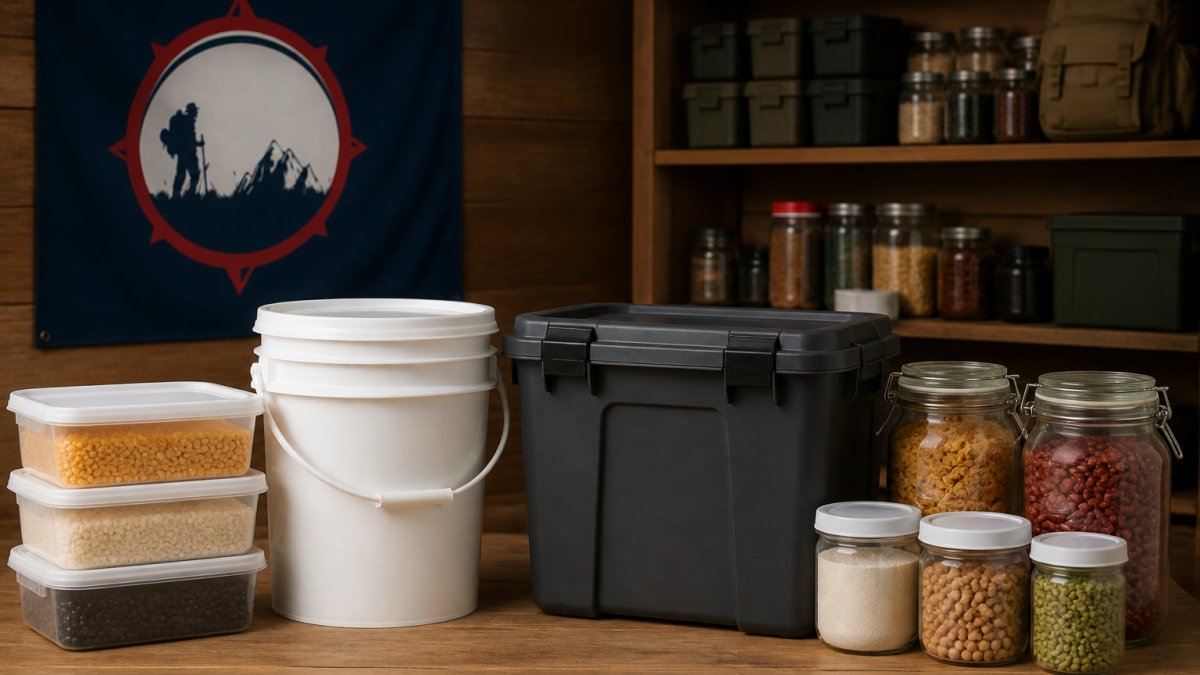
Store freeze-dried food in a cool, dark, dry space, ideally below 75°F, and keep pouches off concrete floors where moisture creeps in. Use sealed bins to protect against pests and humidity, and label each bin with the contents and date.
Rotate stock on a schedule. For a full walkthrough, our guide on how to store emergency food covers rotation and pantry setup step by step.
Water, Fuel, and Equipment You'll Need
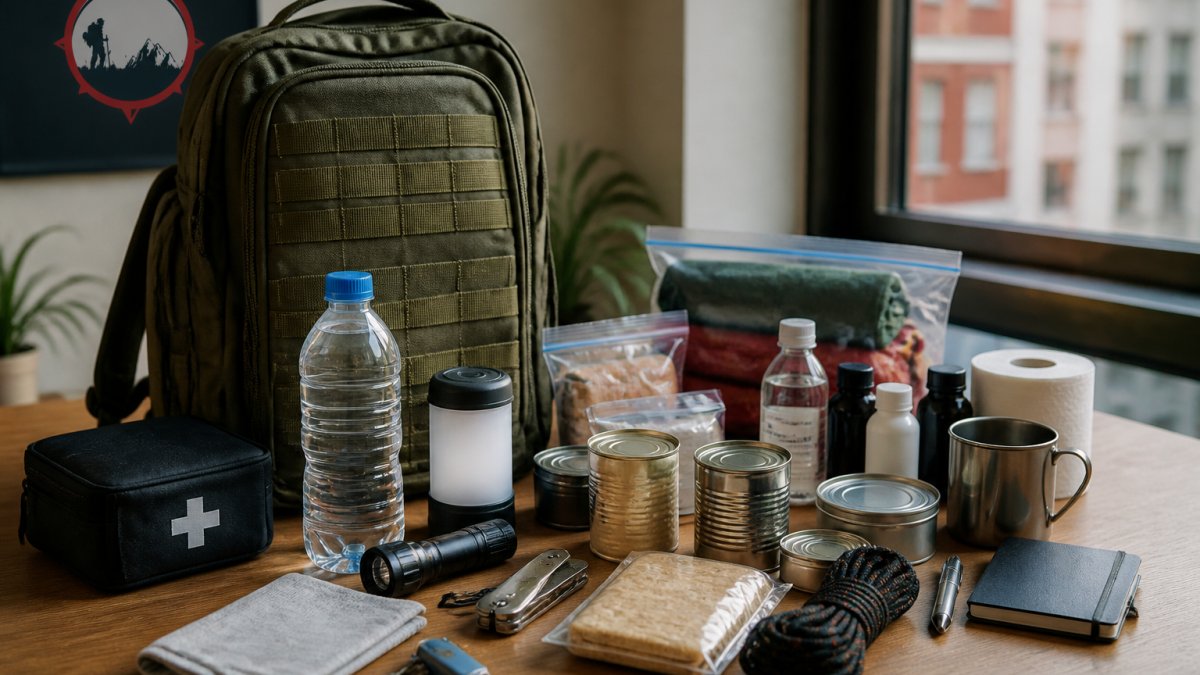
Freeze-dried meals need hot water, so plan your water supply around them. A family of four eating three meals a day can go through several gallons just for rehydration. Store more water than you think you need, and keep a backup filter.
You also need a heat source that works without grid power: a camp stove with fuel, or a grill. Keep a kettle, long-handled spoon, and bowls in your kit.
Cost Per Serving and What Families Actually Pay
Package price is the least useful number on a freeze-dried food label. The number that decides whether a bucket feeds your family or just looks like it will is cost per 1,000 calories, because a "serving" on a pouch is a manufacturer's definition, not your teenager's appetite.
Here is the math to run on any product before you buy:
- Total price ÷ total calories in the container = cost per calorie. Multiply by 1,000 for a number you can compare across brands.
- Total calories ÷ 2,000 = adult-days of food. This is the honest "days of supply" figure for a grown adult doing normal activity.
- Total servings ÷ people at the table = how many meals the bucket actually delivers. A 4-serving entrée pouch typically feeds two adults and two smaller kids, not four hungry adults.
A worked example using round numbers: a bucket priced at $100 that contains 12,000 calories works out to about $8.33 per 1,000 calories and roughly 6 adult-days of food. The same $100 spent on a bucket with 18,000 calories is about $5.56 per 1,000 calories and 9 adult-days. Same shelf, same price tag, 50% more food. That is the comparison that matters.
What Drives Cost Up or Down
- Entrée-heavy kits cost more per calorie than breakfast, rice, and fruit components. If budget is tight, build the base of your supply from grains, oats, rice, and fruit, then add entrées for variety.
- Family packs beat individual pouches on cost per serving every time, usually by a wide margin, because you pay for one pouch instead of four. The trade-off is flexibility, not value.
- Fruit, snacks, and desserts carry a morale premium. They cost more per calorie but prevent meal fatigue, which is a real risk on day 10 of the same chili.
A Realistic Family Budget Framework
Most families should think in three tiers rather than one big purchase:
| Tier | What It Covers | How to Budget |
|---|---|---|
| Core calories | Rice, oats, pasta, fruit, staples | Largest share of budget, target the lowest cost per 1,000 calories |
| Entrées | Dinner variety, 3+ rotating meals | Middle share, buy family packs, not singles |
| Morale and snacks | Fruit, desserts, drinks, comfort items | Smallest share, buy after core and entrées are covered |
A common pattern is to spend roughly half the food budget on core calories, a third on entrées, and the remainder on snacks and morale items.
For a deeper breakdown of how to read kit pricing, our guide to affordable long-term food storage kits walks through the same math kit by kit. Pricing on individual buckets depends on quantity and meal type, so check current prices on our site before you commit.
Choosing the Right Freeze-Dried Food for Your Family
Start with your family's real eating habits, then build the supply around them. Allergies come first. Check every ingredient list for allergens, and if a child has a sensitivity, confirm the meal is safe before you buy in bulk.
Next, plan a taste test. Open one pouch of each meal before you stock a year of it. Kids reject flavors adults tolerate, and a meal nobody eats is wasted money. Keep a simple checklist:
- Confirm serving size against your family's appetite
- Check allergen and ingredient lists for every meal
- Verify preparation time and water needs
Survive Nation stocks food storage and preparedness gear at affordable prices, with a fast, user-friendly shopping experience and a customer-service team that answers questions before you buy.
Frequently Asked Questions
What is the best freeze-dried food for families?
There is no single best option, but families should look for brands that sell larger family packs, offer breakfast, lunch, and dinner variety, and list clear serving sizes per pouch. Compare cost per serving, check allergen information for children, and confirm preparation only needs hot water. Buying a small variety pack first lets your family taste-test before committing to a bulk supply.
How much freeze-dried food should a family store?
A common planning rule is to store enough calories for each family member for the number of days you want to cover, usually three to fourteen days. Adults generally need more calories than young children, so calculate per person rather than per household. Add extra for guests and rotate your stock so nothing expires before you use it.
How long does freeze-dried food last in storage?
Most freeze-dried meals in sealed, oxygen-free pouches keep for several years, and many manufacturers print a best-by date of 10 to 25 years depending on the product. Shelf life drops once a pouch is opened, so transfer leftovers to an airtight container and use them within a few weeks. Store pouches in a cool, dry place away from direct sunlight.
Is freeze-dried food good for emergency storage and camping?
Yes. Freeze-dried meals are lightweight, need no refrigeration, and rehydrate with hot water, which makes them useful for both home emergency kits and backpacking trips. For families, the main advantages are long shelf life and easy portioning. Keep a water supply and a heat source on hand, since most meals require both to prepare.
A real supply is only as good as the planning behind it. If you have been meaning to stock your pantry but keep putting it off, start with one bucket and one weekend of taste testing. Survive Nation offers curated food storage, sleeping bags, and outdoor lighting at affordable prices, backed by years of industry experience and a customer-first approach. Get started with Survive Nation and build a family food supply you can actually trust.