 blog
7 Best Emergency Food Storage Options for 2026
Table of Contents
- How to Choose the Right Emergency Food Storage Option
- The 7 Best Emergency Food Storage Options Compared
- Best Emergency Food Kits for Households and Vehicles
- Foods to Stockpile for Emergencies: Staples and Kits
- Emergency Food Shelf Life: What to Expect
- How to Store Emergency Food for Maximum Shelf Life
- Frequently Asked Questions
Last Updated: October 17, 2026
How to Choose the Right Emergency Food Storage Option
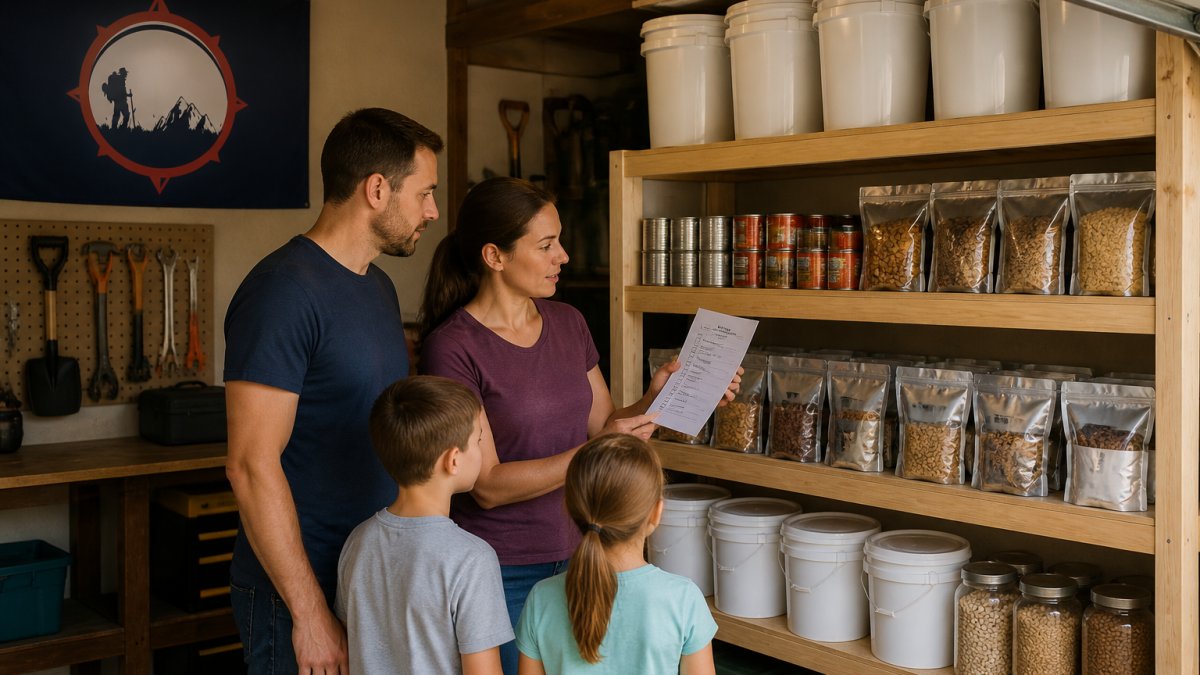
Building an emergency food storage plan starts with three numbers: how many people you're feeding, how many days you're planning for, and how many calories each person needs.
Here's the framework we recommend. Multiply your household size by your target days, then by a realistic daily calorie target (many preparedness guides use roughly 2,000 calories per adult per day as a baseline). That total is your calorie budget.
Then layer in the practical constraints:
- Dietary needs: Allergies, sodium restrictions, and vegetarian preferences rule out entire categories of kits. Check ingredient lists, not just front labels.
- Preparation requirements: Some options need boiling water and fuel. Others are ready-to-eat. If your plan assumes a power outage, choose accordingly.
- Storage space: Bulk buckets take floor space. Pouches fit in closets. Measure before you commit.
- Rotation: Food you never touch goes bad. Buy what you'll actually eat and replace it on a schedule.
The 7 Best Emergency Food Storage Options Compared
The best emergency food storage options fall into seven practical categories, each suited to a different household and budget. No single format wins on every measure, so the smart move is combining two or three.
| Option | Best For | Shelf Life | Prep Needed | Watch Out For |
|---|---|---|---|---|
| Freeze-dried meal pouches | Vehicle kits, short-term | Long | Boiling water | Water and fuel dependency |
| Dehydrated bulk buckets | Families, long-term | Long | Boiling water | Repetitive meals |
| Canned goods | Everyday rotation | Moderate | None to minimal | Weight and space |
| Canned meats and fish | Protein coverage | Moderate to long | None | Sodium content |
| Rice, beans, and dried grains | Calorie base, budget | Long | Cooking time | Fuel requirement |
| Ready-to-eat meal bars | Grab-and-go, evacuation | Moderate | None | Portion size, taste fatigue |
| Pantry staples plus a commercial kit | Balanced household supply | Mixed | Mixed | Requires a rotation system |
That last row is our honest recommendation for most homes. A commercial kit gives you a guaranteed baseline, and grocery staples fill the gaps and keep costs sane. Buy both.
Best Emergency Food Kits for Households and Vehicles
The best emergency food kits match the kit to the scenario. A household kit lives in a closet and feeds everyone for two weeks. A vehicle kit sits in the trunk and covers 72 hours of evacuation.
For the home, look for kits built around complete meals rather than snack assortments. Check that breakfast, lunch, and dinner are all represented, and confirm the calorie total against your household budget.
When you shop, compare kits on price per serving and price per calorie, not sticker price alone. A cheaper kit with smaller portions is rarely the better value. Current pricing varies by kit size and configuration, so check our website for up-to-date figures.
Foods to Stockpile for Emergencies: Staples and Kits
The foods to stockpile for emergencies are the ones that store well, cook simply, and that your family already eats. Start with a calorie base, add protein, then round out with variety.
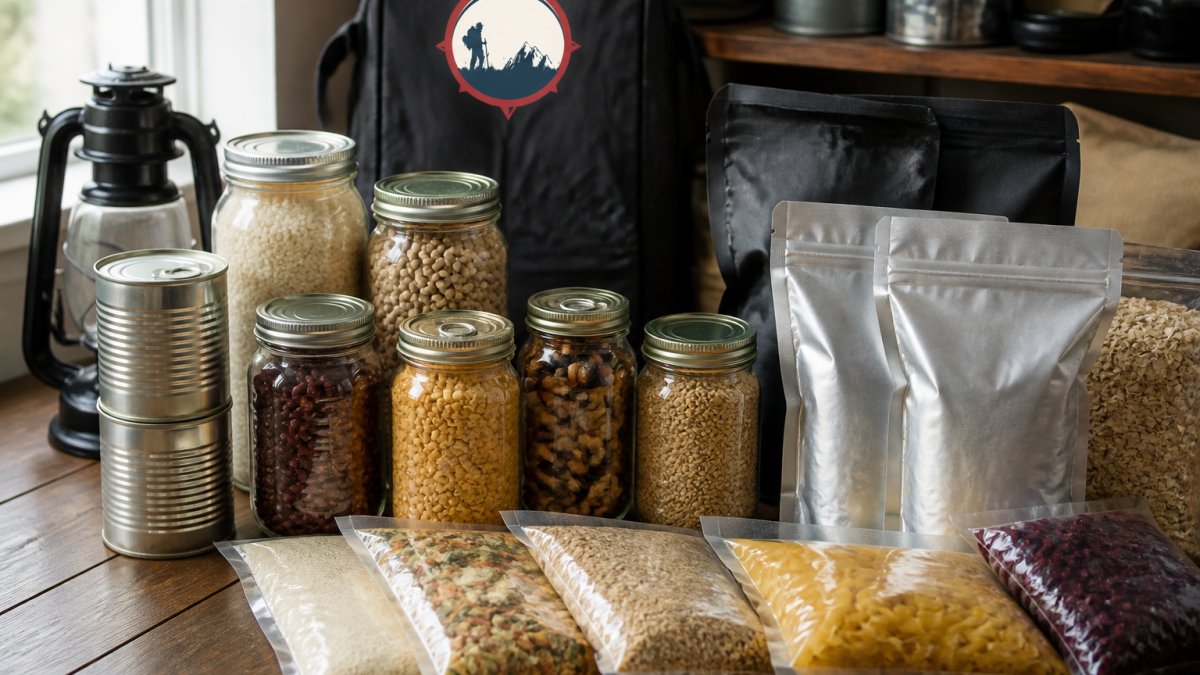
- Rice, beans, and dried grains: cheap calories with long shelf life, but they need fuel and time to cook.
- Canned foods: vegetables, fruit, and soups that require no cooking and rotate easily into daily meals.
- Canned meats and fish: shelf-stable protein that needs no preparation.
- Pasta and dried fruit: quick energy and variety that break up meal fatigue.
- Fats and condiments: cooking oil, salt, and spices make stored food edible over weeks, not just survivable.
The mistake most guides miss is buying only kit food. A balanced supply combines commercial kits with grocery staples you already cook with. That way nothing sits untouched for years, and your rotation happens naturally as you restock the pantry.
Emergency Food Shelf Life: What to Expect
Emergency food shelf life depends on the food format and how it's stored, not on the number printed on the box alone.
Here are the ranges most manufacturers publish for product stored at stable room temperature (roughly 60-70°F) in intact, unopened packaging:
| Format | Typical rated shelf life | What shortens it most |
|---|---|---|
| Freeze-dried meal pouches and cans | 20-30 years | Heat, oxygen, punctured seals |
| Dehydrated bulk buckets (rice, beans, grains) | 10-25 years | Moisture, insect intrusion, heat |
| Ready-to-eat meal bars | 3-5 years | Heat (bars soften and rancidify faster than pouches) |
| Canned goods (vegetables, fruit, soup) | 2-5 years | Dents, rust, freezing, heat |
| Canned meats and fish | 2-5 years | Dents, heat, acidic sauces |
| Dry staples you repackage (rice, pasta, oats) | 5-10 years in airtight, oxygen-free containers | Oxygen, moisture, pantry pests |
Treat every date as a ceiling, not a guarantee. A pouch rated for 25 years in ideal conditions will fall short in a hot garage. The three enemies are heat, moisture, and oxygen, and heat is the one most households underestimate.
Read calories, not servings
The single most useful shelf-life skill is reading the nutrition panel instead of the front of the box. A kit advertising "100 servings" might deliver only a few days of real meals for a family of four once you do the math. Here's the calculation that holds up:
- Find calories per serving on the Nutrition Facts panel.
- Multiply by the number of servings in the kit to get total calories.
- Divide by your household's daily calorie target (many preparedness guides use about 2,000 calories per adult per day as a baseline; active adults and children vary).
- Divide again by the number of people in your household to get person-days of coverage.
A 30,000-calorie kit is roughly 15 adult-days at 2,000 calories, about four days for a family of four, not the two weeks the packaging might imply. Compare options on calories per dollar and calories per person-day, not sticker price. A cheaper kit with smaller portions is rarely the better value.
What actually degrades stored food
- Heat: accelerates vitamin loss and rancidity in fats. Keep storage below 70°F if you can, and never in an attic or uninsulated garage.
- Moisture: drives mold and clumping. Keep food off concrete floors, use airtight containers, and add oxygen absorbers or desiccants where the manufacturer recommends them.
- Oxygen: oxidizes fats and turns rice and grains rancid. Nitrogen-flushed cans and oxygen-absorber pouches are worth the premium for long-term storage.
- Light: degrades quality over months. Opaque buckets and dark closets beat clear bins.
- Pests: pantry moths and rodents get into cardboard and thin plastic. Food-grade buckets with gasketed lids are the practical defense.
Check dates on everything you buy, log them, and build a rotation habit. Eat the oldest first, replace what you use. A food storage kit you never inspect is a food storage kit you can't trust, and a kit whose calories you never counted is one you can't plan around.
How to Store Emergency Food for Maximum Shelf Life
How you store emergency food matters as much as what you buy. Most guides give you the same five rules, cool, dry, dark, rotate, store water, and stop there. The gap they miss is the part that actually decides whether you can eat your supply during an outage: water, fuel, and no-cook backups. Here's the storage guidance plus the readiness checklist that makes it usable.
The five storage rules, with the mechanism behind each
- Control temperature. Keep storage areas cool and stable, ideally below 70°F. Avoid attics, garages, and spaces that swing hot and cold. Heat is the fastest shelf-life killer; a 20°F rise can roughly halve rated life.
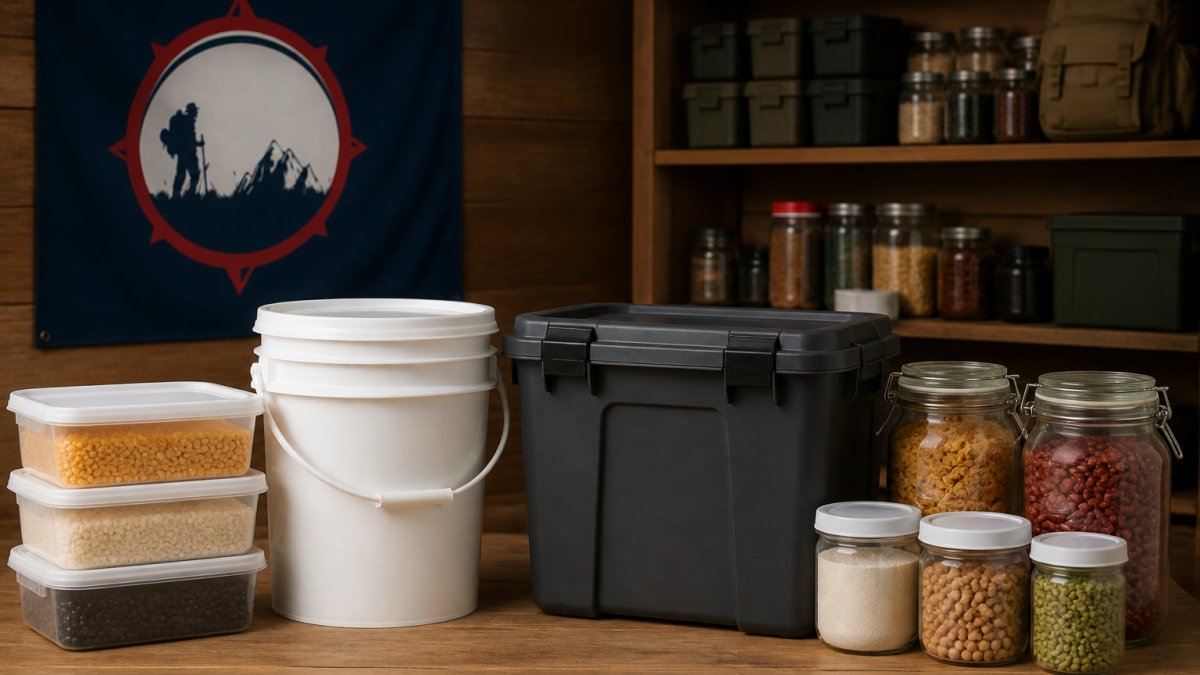
- Block moisture. Use food-safe containers with airtight packaging. Add desiccants where appropriate, and keep food off concrete floors, which wick moisture. A mylar bag inside a food-grade bucket with a gasketed lid is the standard long-term setup.
- Protect from light. Store in opaque containers or dark spaces. Light degrades food quality over time, especially fats and oils.
- Rotate on a schedule. Label everything with purchase dates and check your stock twice a year. Eat the oldest first and replace what you use so nothing sits untouched for years.
- Plan your water. Every dehydrated or freeze-dried meal needs water. Store water separately and calculate your requirement per person per day, a common planning figure is about one gallon per person per day for drinking and basic sanitation, with more for cooking and hot climates.
The outage-readiness checklist competitors skip
Stored food you can't prepare is stored food you can't eat. Before you call your supply complete, confirm each of these:
- Water for cooking, not just drinking. Dehydrated and freeze-dried meals typically need roughly 1-2 cups of water per serving. A family of four eating three dehydrated meals a day can burn through a gallon or more of cooking water daily on top of drinking water. Store water in food-grade containers, rotate it, and keep a gravity filter or purification tablets as backup.
- Cooking fuel and a safe stove. Boiling water for a two-week supply takes real fuel. Count your meals, estimate fuel per boil, and store enough canisters or fuel bottles to cover the plan, plus a portable stove rated for indoor-safe use or a well-ventilated outdoor setup. Never burn fuel indoors without ventilation.
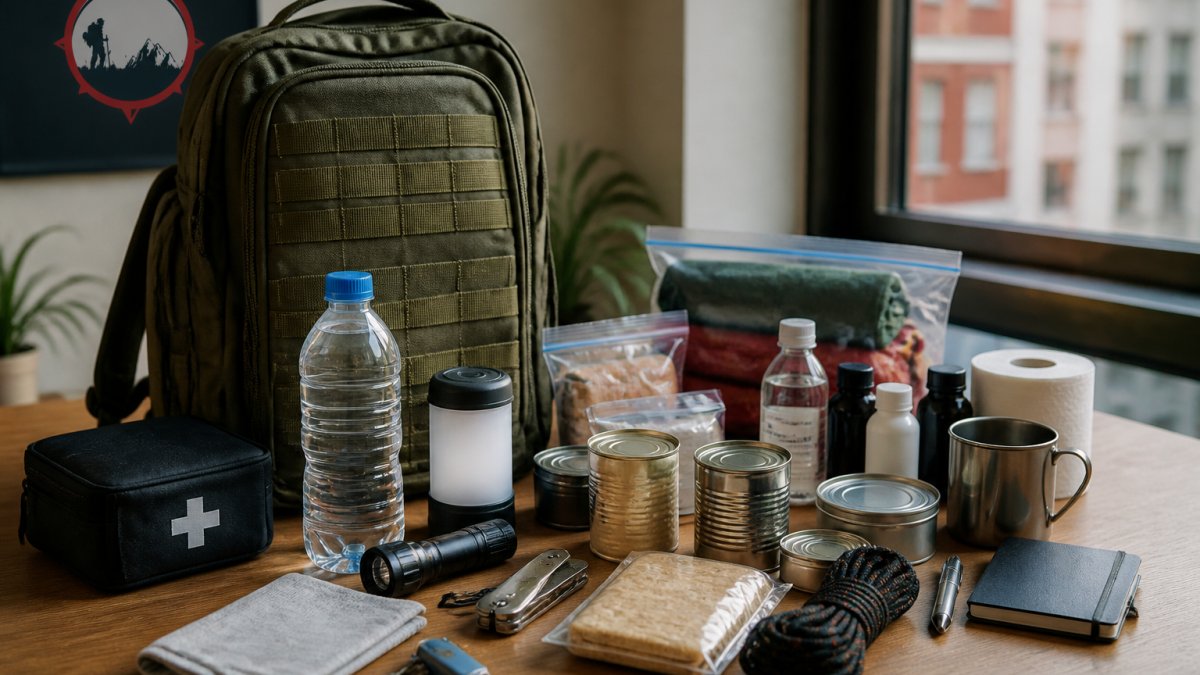
- No-cook alternatives. Power outages and evacuation orders don't always allow boiling. Keep ready-to-eat bars, canned meats and fish, canned fruit, and nut butters on hand so you can eat for 72 hours without heat or water.
- Manual can opener and basic tools. A hand-crank can opener, a lighter or waterproof matches, and a small cutting board cover the gaps that make stored food unusable.
- A rotation log. A simple spreadsheet or paper list of what you bought, when, and when it expires. Check it twice a year and eat what's oldest. This is the habit that separates a working pantry from a decoration.
For containers, airtight buckets and sealed pouches do the heavy lifting. Survive Nation carries food storage supplies built for exactly this purpose.
Frequently Asked Questions
How much emergency food should you store per person?
Plan for at least 2,000 calories per adult per day, which typically works out to 3-4 servings of staple foods. For a 72-hour kit, that means about 6,000 calories per person. For a two-week supply, aim for roughly 28,000 calories per person. Adjust upward for children, active adults, and pets. Store a mix of ready-to-eat meals and shelf-stable ingredients so you can cover breakfast, lunch, dinner, and snacks without relying on cooking fuel for every meal.
How long does emergency food last in storage?
Shelf life depends on the food type and packaging. Freeze-dried meals in airtight pouches commonly last up to 25 years, while dehydrated foods last 10-15 years. Canned goods are best within 2-5 years, and dry staples like rice and beans last 5-10 years when sealed with oxygen absorbers. Always check expiration dates and rotate your supply. Store food in a cool, dark, dry place to maximize emergency food shelf life and avoid moisture damage.
What foods are best for long-term storage?
The best foods to stockpile for emergencies are calorie-dense, low-moisture staples: white rice, dried beans, rolled oats, pasta, freeze-dried fruits and vegetables, canned meats, peanut butter, and powdered milk. These foods store well in airtight containers with desiccants and require minimal preparation. Include a variety of ready-to-eat meals for the first 72 hours when cooking may not be possible. A balanced supply combines commercial emergency food kits with grocery staples you already eat.
How should you store emergency food to keep it safe?
Keep emergency food in a cool, dark, dry location between 40°F and 70°F. Use food-safe containers with airtight seals, and add oxygen absorbers or desiccants to dry goods. Store food off the floor on shelves to protect against moisture and pests. Label everything with the date and rotate older items into daily meals. Avoid storing food near chemicals, fuel, or strong odors. After opening, transfer leftovers to sealed containers and use within the recommended timeframe.