 how-to
Why Sleeping Bags Lose Warmth: A Complete Guide
Table of Contents
- How Sleeping Bag Insulation Creates Warmth
- Why Sleeping Bags Lose Warmth: The Main Culprits
- How to Make a Sleeping Bag Warmer Right Now
- Using a Sleeping Bag Liner for Warmth
- How to Wash a Sleeping Bag Without Damaging Insulation
- Sleeping Bag Storage Tips to Preserve Loft
- Temperature Ratings and Real-World Limitations
- Assessing Insulation Damage and When to Replace Your Bag
- Frequently Asked Questions
Last Updated: October 11, 2026
How Sleeping Bag Insulation Creates Warmth
Sleeping bag insulation works by trapping air within fibers and layers.
Two main types of insulation accomplish this: down and synthetic. Down uses natural feathers from geese or ducks.
The key measurement is loft, how thick and fluffy the insulation layer is. Higher loft means more trapped air.
When sleeping bags lose warmth, it isn't always because they're broken. Often, it just needs the right care or adjustment.
Why Sleeping Bags Lose Warmth: The Main Culprits
Several factors cause a sleeping bag to feel colder over time or during a single night. Understanding these culprits helps you diagnose the real problem and fix it.
Insulation Loft Compression and Fiber Degradation
Loft compression happens when the insulation gets squeezed. Compressed fibers trap less air. Less air means less warmth.
Polyester fibers degrade faster than down when compressed repeatedly. The fibers lose their shape and ability to spring back.
Fiber degradation also happens naturally over time. Polyester fibers break down from UV exposure, moisture, and age.
The distinction matters: temporary compression from packing is reversible. Permanent fiber damage from age or improper washing is not.
Moisture, Sweat, and Damp Insulation
Moisture is the enemy of warmth. Wet insulation loses 90% of its insulating power.
Damp insulation clumps together. Clumped fibers trap less air. The insulation becomes heavy and cold instead of light and warm. Synthetic insulation absorbs moisture more readily than down.
Ventilation controls moisture buildup. A sleeping bag with zippered vents lets you release excess heat and humidity. Without ventilation, sweat accumulates inside the bag throughout the night.
Heat Loss to the Ground and Poor Bag Fit
Your sleeping bag loses as much heat to the ground as to the air above you. Compressed insulation provides almost no warmth. A sleeping pad under your bag prevents this compression and reflects your body heat back up.
Poor bag fit also causes heat loss. A bag that's too large leaves empty space your body can't heat. Empty space fills with cold air. A bag that's too tight restricts air movement and causes sweating.
Temperature ratings account for sleeping pads. A bag rated for 20°F assumes you're using an insulated pad. Without a pad, that same bag may only keep you warm to 40°F or higher.
How to Make a Sleeping Bag Warmer Right Now
If your bag feels too cold tonight, several quick fixes work immediately.
Layering and Clothing Choices
Wear base layers inside your bag. Merino wool or synthetic base layers trap air against your skin. Cotton absorbs sweat and loses warmth, so avoid it. Wear a hat, your head loses significant heat if uncovered.
Layer your clothing:
- Thermal underwear or long base layer
- Mid-layer fleece or wool shirt
- Hat and warm socks
- Avoid bulky jackets that restrict movement inside the bag
Avoid overheating. If you sweat, your clothes become damp and cold. Start cool and add layers gradually. Open the bag's zippered vents if you feel too warm.
Using a Sleeping Pad and Ventilation Control
A sleeping pad is non-negotiable for warmth. It prevents ground heat loss and compresses your bag less than your body alone does. Foam pads, inflatable pads, and hybrid pads all work. Thicker pads provide more insulation.
Control ventilation by:
- Closing the bag's zipper fully in cold conditions
- Opening vents slightly to release excess moisture
- Positioning your face outside the bag's draft collar if you're overheating
- Tucking the bag around your body to minimize air gaps
Using a Sleeping Bag Liner for Warmth
A sleeping bag liner is a thin fabric sleeve that goes inside your bag. It adds 5-15 degrees of warmth depending on the liner material.
Silk liners add 5°F of warmth. Fleece liners add 10-15°F. The liner traps air between itself and the bag's inner surface.
Liners are especially useful if you have multiple bags for different seasons. A lightweight liner plus a 3-season bag can work for 4-season camping.
How to Wash a Sleeping Bag Without Damaging Insulation
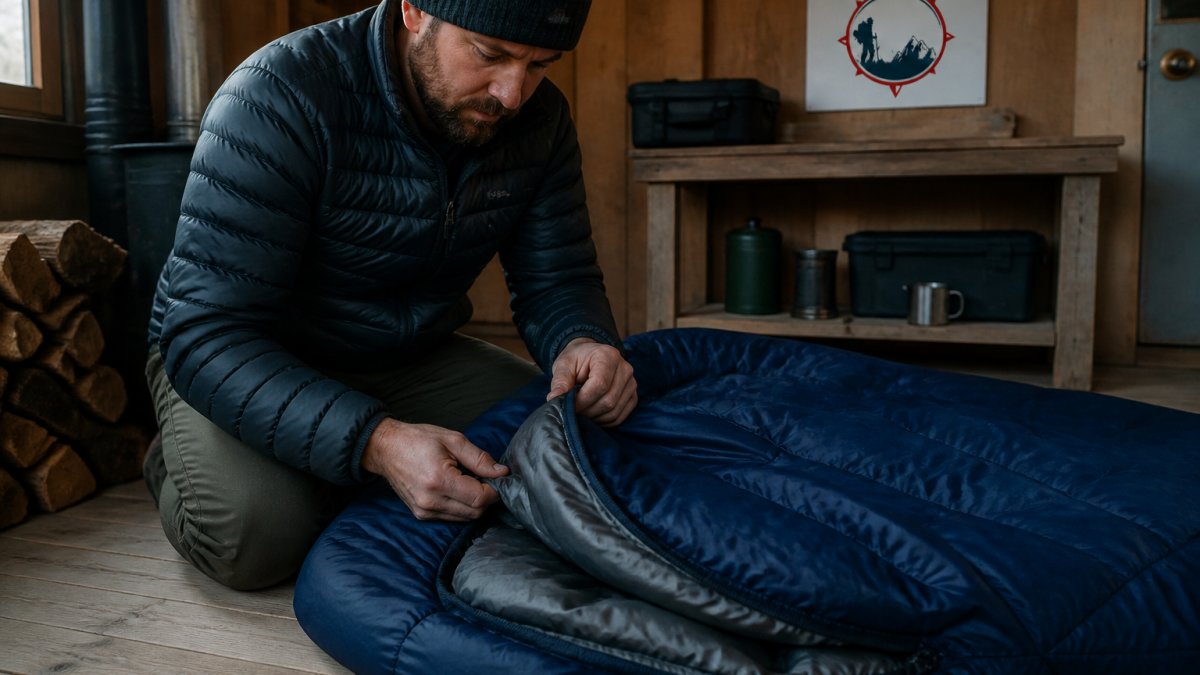
Proper washing is one of the most effective ways to restore and preserve sleeping bag warmth. Over time, dirt, body oils, sweat salts, and dead skin cells accumulate in the insulation. These contaminants compress fibers and reduce loft. Washing removes them, allowing insulation to expand and trap air again. However, washing must be done carefully, aggressive washing, hot water, or harsh detergents can permanently damage insulation.
When to Wash Your Bag
Wash your bag based on usage frequency, not on a fixed schedule:
- Heavy use (monthly camping or more): Wash once per year, ideally before storing for winter or after a particularly muddy or sweaty trip.
- Moderate use (a few times per year): Wash every 2-3 years.
- Light use (occasional trips): Wash every 3-5 years, or when you notice visible dirt or a musty smell.
Signs that your bag needs washing include a noticeable loss of loft, a stale or musty odor, visible dirt or stains, or reduced warmth despite proper use and storage. If your bag feels colder than it used to and you've ruled out moisture, compression, or damage, washing often restores 5-10°F of warmth by removing accumulated contaminants.
Washing Method by Insulation Type
For down bags:
Down requires gentle handling because the feathers can mat if agitated too vigorously. Use a commercial front-loading washing machine on a gentle or delicate cycle, or hand-wash in a bathtub.
- Fill a large bathtub or commercial washer with lukewarm water (around 80-90°F).
- Add a down-specific detergent or a gentle, pH-neutral soap designed for delicate fabrics. Regular laundry detergent can leave residue that reduces loft.
- Submerge the bag and gently work the soapy water through the insulation by hand. Do not scrub or agitate.
- Drain and rinse thoroughly with clean lukewarm water, repeating 3-4 times until no soap remains. Soap residue traps moisture and prevents proper drying.
- Gently squeeze out excess water. Do not wring, twist, or hang the wet bag, as the weight of water will damage the baffles and feather clusters.
For synthetic bags:
Synthetic insulation is more durable than down and can tolerate slightly more agitation. You can use a front-loading machine on a gentle cycle or hand-wash.
- Fill a bathtub or machine with lukewarm water.
- Add a gentle detergent or a synthetic-specific wash product.
- Submerge and gently work the soap through the insulation. Synthetic bags can handle slightly more movement than down, but avoid aggressive scrubbing.
- Drain and rinse 2-3 times with clean water until soap is gone.
- Gently squeeze out excess water without wringing.
Critical Washing Don'ts
- Never use hot water. Heat breaks down insulation fibers and can melt synthetic materials. Lukewarm water (around 80-90°F) is the maximum.
- Never use a top-loading washing machine with an agitator. The agitator will tear insulation and damage baffles. Front-loading machines are safe; top-loaders are not.
- Never dry-clean a sleeping bag. Dry-cleaning solvents permanently damage both down and synthetic insulation.
- Never use bleach or fabric softener. These chemicals degrade fibers and reduce loft.
- Never wring or twist the bag. This damages the internal structure and can tear baffles.
Drying: The Critical Step for Loft Recovery
How you dry your bag determines whether washing restores warmth or leaves it permanently flat.
Air drying (recommended for down):
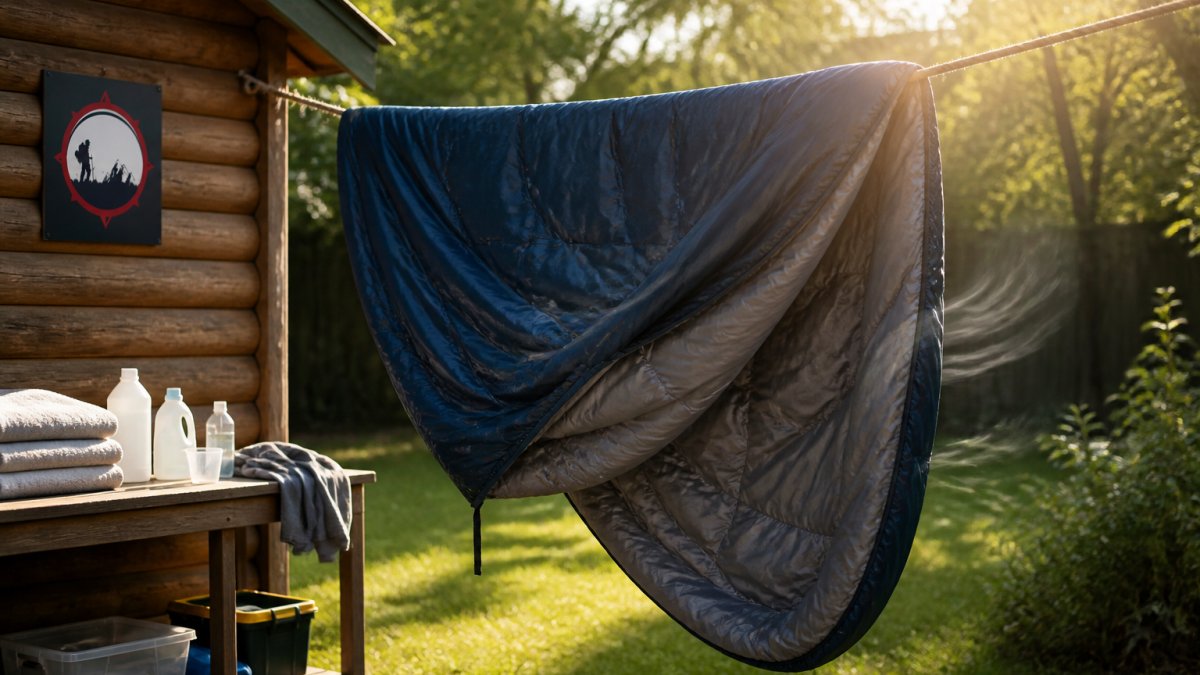
Hang the bag loosely in a warm, dry, well-ventilated space. A clothesline, shower rod, or open closet works well.
Machine drying (safe for synthetic, optional for down):
If you use a dryer, set it to low heat (around 130°F or lower) and run it for 30-60 minute intervals.
During drying, the insulation will gradually expand as moisture evaporates. You should see visible loft improvement over the first 12-24 hours.
Storing Your Bag After Washing
Before storing, ensure your bag is completely dry. Any residual moisture promotes mold and mildew, which permanently damage insulation and create health hazards.
Store the bag loosely in a large mesh storage bag or hang it on a hook. Compression sacks are for travel only.
Sleeping Bag Storage Tips to Preserve Loft
How you store your bag matters as much as how you use it. Poor storage permanently damages insulation.
Store your bag loosely in a large mesh bag or hang it on a hook.
Keep your bag in a cool, dry place. Heat and humidity degrade insulation faster.
Store down bags separately from synthetic bags if you have multiple bags.
Before storing, ensure your bag is completely dry. Any residual moisture promotes mold and mildew.
Temperature Ratings and Real-World Limitations
Temperature ratings tell you the lowest temperature at which a bag keeps an average sleeper warm. A bag rated 20°F means most people stay warm at 20°F with proper clothing, a pad, and shelter.
Real-world conditions differ from the lab. Your metabolism, body size, and sleeping position affect warmth.
Wind, moisture, and ground conditions also matter. A 20°F rating assumes still air and a dry bag. Wind chill can lower the effective temperature by 10-20°F.
The rating also assumes a sleeping pad. Without a pad, subtract 15-20°F from the rating. A thin pad provides less insulation than a thick one, so subtract accordingly.
Assessing Insulation Damage and When to Replace Your Bag
Inspect your bag regularly for damage. Small holes or seam tears let warm air escape. Repair minor damage immediately with a patch kit.
Signs of permanent insulation degradation include:
- Clumping or matting visible inside the bag
- Fibers that feel brittle or break apart when handled
- Loss of loft that doesn't recover after fluffing
- Persistent cold spots despite proper use and storage
- Age over 10-15 years with heavy use
If your bag shows these signs, replacement makes sense. A new bag provides consistent warmth. An old, degraded bag becomes unreliable in cold conditions.
When replacing your bag, consider your actual usage. Winter mountaineering requires a bag rated 0°F or lower. Emergency preparedness at home needs a 40°F bag for power outages.
Frequently Asked Questions
Why do sleeping bags lose warmth over time?
Sleeping bags lose warmth primarily through insulation loft compression, moisture damage, and fiber degradation. Down and synthetic fibers flatten from repeated use and body weight, reducing their ability to trap air. Moisture from sweat or humidity permanently damages insulation performance. Poor storage in compressed states and exposure to humidity accelerate this process. Most bags experience noticeable warmth loss after 50-100 nights of use, though proper care can extend their lifespan significantly.
How can I make my sleeping bag warmer without buying a new one?
Layer your clothing inside the bag with thermal base layers and warm socks. Use a sleeping pad underneath to eliminate ground heat loss, which accounts for up to 50% of heat transfer. Add a sleeping bag liner for extra insulation. Control ventilation by closing zippered vents to trap body heat. Ensure your bag fits your body snugly without excessive empty space. Avoid overheating and sweating, which damp the insulation; if you're too warm, open vents slightly rather than exposing skin.
Does a sleeping bag liner actually add warmth?
Yes, a sleeping bag liner can increase warmth by 5-15 degrees Fahrenheit depending on material and design. Liners create an additional insulation layer and reduce direct contact between your body and the bag's interior, minimizing moisture transfer. They're especially effective in synthetic-insulated bags. Liners also protect your bag from body oils and sweat, extending its lifespan and preserving insulation performance. They're a cost-effective solution for boosting warmth without replacing your entire sleeping bag.
How should I store a sleeping bag to keep it warm and functional?
Store your sleeping bag loosely in a breathable mesh bag or hang it in a cool, dry closet, never in a compressed stuff sack long-term, which permanently damages loft. Keep storage areas between 50-70 degrees Fahrenheit with low humidity to prevent fiber degradation and moisture buildup. Avoid direct sunlight, heat sources, and damp basements. Before storage, ensure your bag is completely dry to prevent mold and insulation damage. Check it annually for signs of wear, moisture, or pest damage. Proper storage can add years to your bag's effective lifespan.
Sleeping bags lose warmth for specific, fixable reasons. Compression, moisture, poor fit, and age all contribute. Understanding these factors helps you diagnose whether your bag needs adjustment, care, or replacement. Survive Nation offers high-quality sleeping bags designed to maintain loft and warmth through proper maintenance and storage. Check our selection of durable bags rated for your climate and intended use. Shop Now and find the reliable gear that keeps you warm when it matters most.