 how-to
How to Spot Quality Camping Gear: A Buyer's Guide
Table of Contents
- What Makes Camping Gear Last: The Foundation
- Best Sleeping Bags for Camping: Durability Factors
- What to Look for in a Camping Tent: Material and Construction
- Inspecting Seams, Zippers, and Hardware
- Signs of Wear and Tear on Used Camping Gear
- Warranty, Repairability, and Lifecycle Cost Analysis
- How to Spot Counterfeit or Low-Quality Gear
- Frequently Asked Questions
Last Updated: September 28, 2026
What Makes Camping Gear Last: The Foundation
To spot quality camping gear, you need to understand what separates equipment that lasts for years from gear that falls apart after a single trip. The foundation of durability lies in three core elements: material composition, construction methods, and design philosophy. When you spot quality camping gear, you're looking at products engineered to withstand repeated stress, exposure to elements, and the unpredictable demands of wilderness use.
The best camping gear balances weight, strength, and weather resistance. Lighter materials don't automatically mean lower quality, in fact, modern ultralight fabrics often outperform heavier alternatives when engineered correctly. What matters is tensile strength relative to weight, seam integrity, and how the manufacturer handles stress points. At Survive Nation, we offer a curated selection of essential supplies, including sleeping bags, food storage, and outdoor lighting, all at affordable prices to ensure accessibility for every adventurer.
Material fatigue is the silent killer of cheap equipment. Every time you pack and unpack a tent, every time you compress a sleeping bag, every time you open a zipper, you're applying stress. Quality gear is designed with this in mind. The fabric won't degrade under UV exposure, the stitching won't unravel after repeated use, and hardware won't corrode or fail.
Look for gear with proven track records. Ripstop nylon, for example, has become an industry standard because its weave pattern prevents tears from spreading. When a tear starts, the reinforced pattern stops it. This is engineering that matters in the field.
Best Sleeping Bags for Camping: Durability Factors
The best sleeping bags for camping share specific durability characteristics that distinguish them from budget alternatives. Construction quality matters as much as insulation type. Whether your sleeping bag uses down fill power or synthetic insulation, the shell fabric and baffle construction determine how long it will actually last.
Examine the baffles, the internal walls that keep insulation evenly distributed. Box baffle construction is superior to simpler designs because it prevents insulation from shifting and clumping, which degrades warmth and longevity. When insulation clumps, cold spots develop, and the bag loses effectiveness faster.
The shell and lining fabrics should feel substantial but not heavy. Run your fingers across the material. Quality sleeping bags use tightly woven nylon that resists snags and abrasion. If the fabric feels thin or papery, the bag won't survive many nights in the field. Check the weight-to-strength ratio by gently pulling on the fabric, it should resist without tearing easily.
Zipper reliability is critical. A failed zipper renders a sleeping bag nearly useless. Quality bags use heavy-duty zippers with strong sliders and teeth that won't jam. Test the zipper action, it should move smoothly without catching. Listen for grinding sounds, which indicate poor manufacturing.
Down-filled bags require different inspection than synthetic. Down fill power (measured in cubic inches) indicates quality, but the shell must also be down-proof. Look for tightly woven fabric that prevents feathers from escaping. Synthetic bags should have consistent loft throughout, no thin spots or areas where insulation has already compressed.
What to Look for in a Camping Tent: Material and Construction
What to look for in a camping tent starts with the fabric itself. Tent floor material faces the most abuse, so it should be thicker and more durable than the canopy. Quality tents use polyester or nylon with a polyurethane coating that provides waterproofing without adding excessive weight. The coating should feel uniform, no thin spots or inconsistent coverage.
Examine the tent's seams closely. Factory-sealed seams indicate professional manufacturing. Run your fingers along every seam from the inside. You should feel a consistent tape or sealant covering the entire length. Gaps in seam sealing are where water enters during heavy rain. Quality tents seal every seam, not just the obvious ones.
The tent poles deserve careful inspection. Aluminum poles are standard for good reason, they're lightweight and strong. Bend a pole gently to check for cracks or weak points. The pole segments should fit together snugly without excessive play. Loose connections mean the tent won't maintain proper tension, which stresses the fabric and seams.
Check the tent's structural integrity by examining how fabric attaches to poles. Look for reinforced patches at stress points. Quality tents use additional fabric layers at corners and where poles connect. These reinforcements prevent tears from spreading and extend the tent's life significantly.
Breathability matters for durability. Condensation inside a tent promotes mold growth and degrades fabric over time. A quality tent design allows air circulation while maintaining weatherproofing. This balance prevents moisture buildup that shortens the tent's lifespan.
Inspecting Seams, Zippers, and Hardware
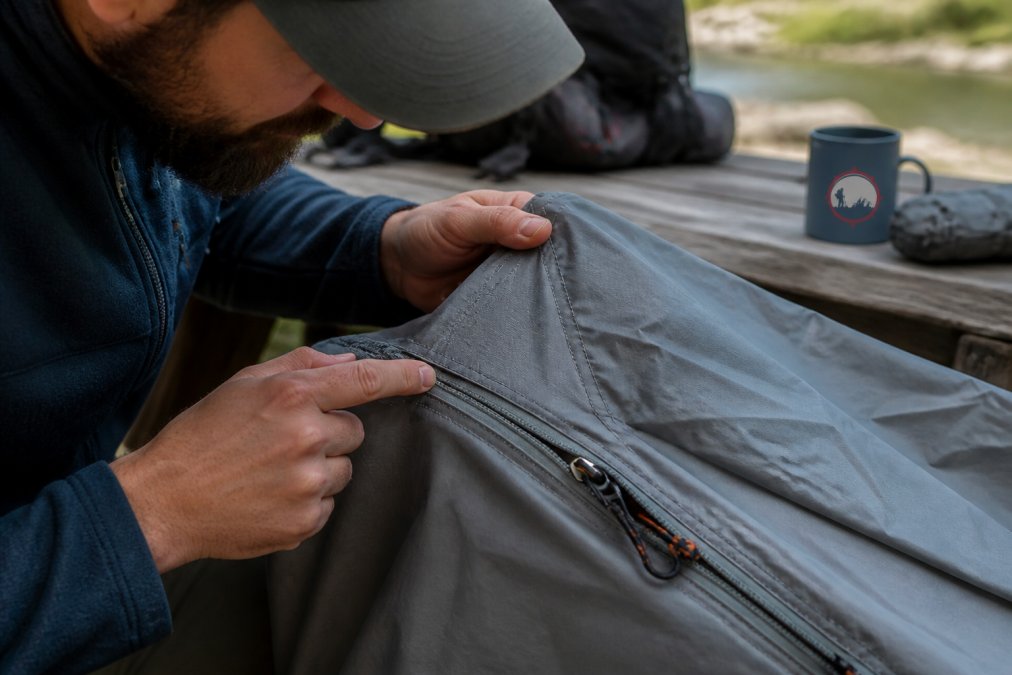
Seams, zippers, and hardware are where quality camping gear reveals itself. These components fail first under field stress, so inspecting them thoroughly separates durable gear from equipment destined for early retirement.
Seam inspection requires tactile attention. Use your fingers to feel the stitching from both inside and outside. Quality stitches are tight and even, with consistent spacing. The thread shouldn't pull loose when you apply gentle tension. Look for any skipped stitches, gaps in the stitching line indicate manufacturing defects. Count stitches per inch; quality gear typically has 6-8 stitches per inch, which provides strength without creating weak points.
Seam sealing is equally important. Run your finger along sealed seams. The sealant should be continuous and flexible, not brittle or cracked. Brittle sealant breaks during compression and temperature changes. Flex the seam gently, quality sealing moves with the fabric rather than cracking.
Zipper inspection separates quality from mediocre gear. Open and close the zipper multiple times. It should move smoothly without catching, grinding, or requiring excessive force. The slider should engage fully with the teeth on both sides. Check the zipper pull, it should be reinforced and attached securely. Look at the zipper stop at the bottom; it should be substantial enough to prevent the slider from coming off.
Hardware includes everything from tent stakes to carabiners to buckles. Examine metal hardware for corrosion or discoloration. Stainless steel or anodized aluminum won't show rust. If you see surface corrosion, the hardware will fail in damp conditions. Plastic hardware should be rigid, not flexible or brittle. Flexible plastic hardware indicates poor material quality and will break under stress.
Test hardware function. Open and close carabiners or clips multiple times. They should lock securely and release smoothly. Listen for clicks, a solid click indicates proper engagement. Wobbly or loose hardware suggests poor manufacturing tolerances.
Signs of Wear and Tear on Used Camping Gear
Signs of wear and tear on used camping gear tell you whether equipment has been well-maintained or abused. Understanding what you're looking at helps you evaluate whether used gear is worth purchasing or destined for failure.
Fabric degradation is obvious once you know what to look for. Run your fingers across the material. Quality fabrics maintain consistent texture. If you feel stiff areas or areas that have become brittle, UV degradation has occurred. The fabric loses its structural integrity as it degrades. Hold the fabric up to light, look for thin spots or areas where the weave has loosened.
Seam separation indicates stress and poor maintenance. Look along every seam for areas where the stitching has come loose or where the fabric has pulled away from the seam line. Small separations can be repaired, but extensive separation suggests the gear has been stressed beyond its design limits or stored improperly.
Zipper damage ranges from minor to catastrophic. Bent sliders can sometimes be straightened, but broken teeth require zipper replacement. Look at the zipper teeth closely. They should be uniform and intact. Chipped or missing teeth mean the zipper will jam. Test the slider's engagement, if it skips teeth or doesn't fully engage, replacement is necessary.
Pole damage affects tent integrity. Look for cracks, bends, or dents in poles.
Warranty, Repairability, and Lifecycle Cost Analysis
Warranty and manufacturer support reveal how confident a company is in its products. Quality gear manufacturers offer warranties that reflect their confidence in durability. Read the warranty terms carefully. A lifetime warranty on materials and workmanship suggests the manufacturer expects the gear to last. Limited warranties or those with extensive exclusions suggest lower confidence in longevity.
How to Spot Counterfeit or Low-Quality Gear
Counterfeit camping gear is increasingly common, and spotting fakes requires attention to detail. Legitimate manufacturers invest in consistent quality control. Counterfeits cut corners everywhere, materials, stitching, hardware, and packaging.
Frequently Asked Questions
How can you tell if a tent is good quality?
Inspect the fabric for ripstop nylon or polyester with adequate denier weight (at least 70D for floor, 40D+ for walls). Check seam sealing, quality tents have sealed seams throughout, not just at stress points. Examine zippers for smooth operation and metal hardware rather than plastic. Look for a hydrostatic head rating of at least 1500mm for the floor and 1200mm for the walls to ensure waterproofing. Test the frame for structural integrity by flexing poles gently; they should return to shape without cracking or bending permanently.
What are the key indicators of high-quality camping gear?
High-quality gear shows consistent craftsmanship: reinforced stitching at stress points, sealed seams, durable zippers that operate smoothly, and hardware that doesn't corrode. Materials matter, look for ripstop nylon, quality synthetic insulation, or down fill power (at least 650 for sleeping bags). Check the weight-to-strength ratio; lighter gear should not sacrifice durability. Field-tested products from reputable manufacturers come with warranties and clear technical specifications. Avoid gear with loose threads, uneven stitching, or hardware that feels flimsy or unstable.
Is it better to buy new or used camping gear?
New gear comes with a warranty and known history, reducing risk. Used gear can offer value if you inspect it carefully for UV degradation, material fatigue, zipper reliability, and seam integrity. Check for discoloration, brittleness, or tears in the fabric. Test zippers and hardware for corrosion or damage. Used gear is only a bargain if it will actually last through your trips, a cheap used tent that fails mid-trip costs more in time and safety than a reliable new one. Prioritize new gear for critical items like sleeping bags and tents.
What materials should I look for in durable outdoor equipment?
Ripstop nylon and polyester fabrics resist abrasion and tearing better than standard nylon. Look for denier weight appropriate to the item: sleeping bags need 70D+ for durability, tents 40D+ for walls. Down fill power of 650 or higher indicates quality insulation in sleeping bags. Metal zippers and hardware resist corrosion better than plastic. Sealed seams prevent water penetration. Check for UV-resistant coatings on fabrics exposed to sunlight. Quality synthetic insulation maintains loft and breathability through repeated use, while poor insulation compresses and loses effectiveness quickly.