 blog
blog
Cold-Weather Camping Gear: Essential Equipment Guide
Table of Contents
- Why Cold-Weather Camping Gear Matters
- Winter Camping Clothing Layers: Building Your System
- Cold-Weather Sleeping Bag Selection
- Sleeping Pad R-Value for Winter Camping
- Winter Camping Checklist: Accessories and Footwear
- Shelter and Sleep System Setup
- Cold-Weather Hydration and Gear Care
- Choosing Gear by Temperature and Budget
- Frequently Asked Questions
Last Updated: October 12, 2026
Why Cold-Weather Camping Gear Matters
Camping in cold weather demands more than your regular tent and sleeping bag.
Winter camping pushes equipment to its limits. Snow, ice, and freezing temperatures expose weaknesses in gear that performs fine in mild seasons, so your sleeping system, clothing layers, and shelter must handle what summer equipment cannot.
Poor insulation, inadequate moisture management, or a sleeping bag rated for the wrong temperature can leave you shivering through the night or worse.
Winter Camping Clothing Layers: Building Your System
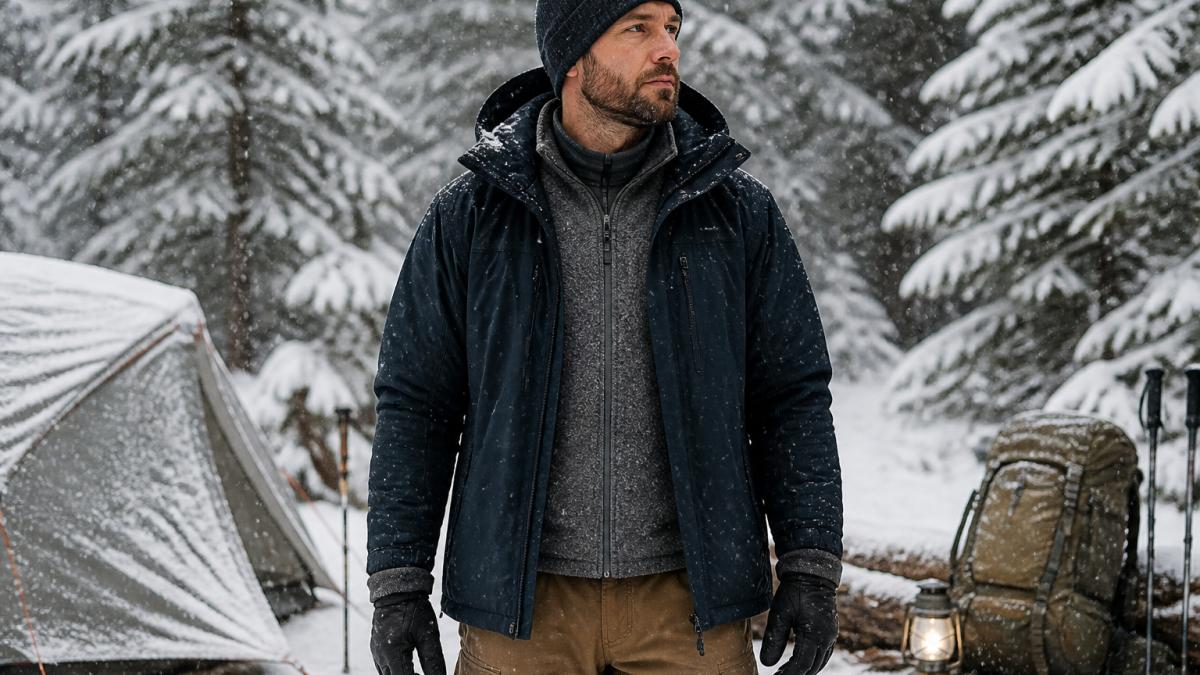
The foundation of cold-weather camping gear is your clothing system. Layering traps air and manages moisture, the two things that determine whether you stay warm. A proper system has three parts: a base layer that moves sweat away from your skin, an insulating midlayer that traps warmth, and an outer shell that blocks wind and water.
Most people make the same mistake: they wear cotton. It absorbs moisture and holds it against your skin, accelerating heat loss. Once wet, cotton stays wet, in cold conditions it becomes a liability that can lead to hypothermia.
Base Layers and Moisture-Wicking Fabrics
Your base layer sits against your skin and does one job: move sweat away from your body. The best use synthetic materials or merino wool, both of which wick moisture even when wet.
Base layers should fit snugly without restricting movement, loose ones create air gaps that reduce effectiveness. Choose long underwear covering torso, arms, and legs, since exposed skin loses heat rapidly. Lightweight works for active pursuits; midweight insulates better when you're stationary around camp.
Insulated Midlayers and Fleece
Your midlayer traps the warm air your body generates. Fleece is the standard choice: it insulates even when damp, packs reasonably well, and costs less than down. Synthetic insulation like polyester also works well for cold-weather camping gear and keeps insulating when wet.
Down jackets offer a superior warmth-to-weight ratio but fail catastrophically when wet, losing almost all insulating value and taking hours to dry. For winter camping where moisture exposure is inevitable, synthetic midlayers are safer. Wear your midlayer over your base layer and under your shell to stay warm during movement and at rest.
Waterproof and Windproof Outer Shells
Your shell jacket and rain pants protect your insulation from wind and precipitation. Wind forces warm air away from your body, so a windproof layer is essential even without rain.
Look for sealed seams and pit zips (underarm vents) to release excess heat during movement without removing the jacket. Lightweight shells pack small for backpacking; heavier shells offer more durability and weather resistance for extended winter camping.
Cold-Weather Sleeping Bag Selection
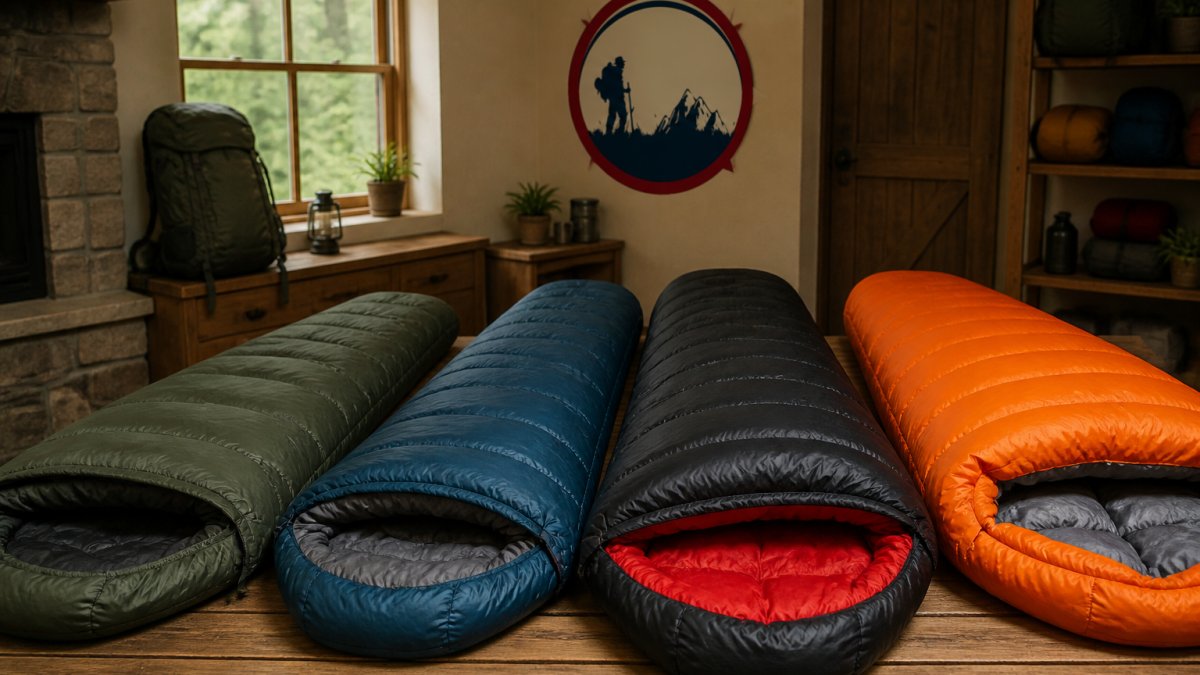
Your sleeping bag is the most critical piece of cold-weather camping gear. A bag rated for the wrong temperature leaves you cold and miserable, understanding ratings and construction materials is the difference between a good night's sleep and a dangerous situation.
Temperature Ratings and Down vs. Synthetic Fill
Temperature ratings tell you the lowest temperature at which a bag should keep an average sleeper warm.
Down fill offers an excellent warmth-to-weight ratio and compresses smaller than synthetic. A 0°F down bag might weigh 2-3 pounds and pack to the size of a loaf of bread.
Synthetic fill maintains insulation even when damp, making it more reliable for winter camping. Synthetic bags weigh more and don't compress as well as down, but they perform consistently when wet, the safer option for backcountry winter trips where staying dry is challenging.
Size, Weight, and Packed Dimensions
Sleeping bag size affects warmth and packability. Too large wastes energy heating empty space; too tight restricts movement and reduces loft. Choose regular or long based on your height. Women-specific bags add insulation in the torso and feet, where women typically lose heat faster.
Weight and packed size matter for backpacking, a lightweight bag can save 1-2 pounds, which adds up over multiple days. But don't sacrifice warmth for weight savings; a bag that doesn't keep you warm defeats the purpose of carrying it.
Sleeping Pad R-Value for Winter Camping
Your sleeping pad is as important as your sleeping bag for cold-weather camping gear. It insulates you from the ground, which pulls heat away through conduction. Without adequate insulation underneath, even the best bag won't keep you warm, the ground steals heat faster than your body can replace it.
Understanding R-Value and Insulation Performance
R-value measures resistance to heat flow; higher is better. R-value 2-3 works for three-season camping, but winter camping requires R-value 5 or higher. Many winter campers stack two pads, an R-value 3 closed-cell foam pad plus an R-value 4 inflatable creates R-value 7 total.
The R-value system has limits: manufacturers calculate ratings differently, so an R-5 pad from one company may perform differently than another's. Real-world performance also depends on ground temperature, humidity, and how well the pad fits inside your tent.
Closed-Cell Foam vs. Inflatable Pads
Closed-cell foam pads are simple and reliable: they don't puncture, need no inflation, and maintain R-value consistently. They weigh more and don't compress as well as inflatables, but they're durable in any condition. A 3/4-length pad saves weight while still insulating your core and legs.
Inflatable pads offer better comfort and pack smaller than foam. High-quality inflatables maintain R-value in cold conditions and provide cushioning foam can't match, but they can puncture, require inflation, and lose insulation if air leaks. Many experienced winter campers prefer foam for reliability, or stack both types for maximum insulation and comfort.
Winter Camping Checklist: Accessories and Footwear
Your extremities lose heat fastest in cold conditions. Hands, feet, and head account for a disproportionate share of heat loss, making proper accessories essential for cold-weather camping gear.
Winter Boots, Socks, and Gaiters
Winter boots must insulate your feet from the ground while leaving room for thick socks without restricting circulation. Boots rated for -20°F or colder suit most winter camping.
Wool socks are non-negotiable. Merino wicks moisture, regulates temperature, and cushions; avoid cotton entirely.
Gaiters cover the gap between boot top and pant leg, keeping snow out. Even a little snow inside your boot melts, soaks your socks, and causes rapid heat loss. Lightweight and small-packed, gaiters are essential for winter camping.
Gloves, Mittens, and Warm Hats
Mittens keep hands warmer than gloves by grouping fingers together, reducing surface area and heat loss, but they make fine motor tasks difficult. Many winter campers carry both: mittens for passive activities, gloves for setting up camp or cooking. Insulated mittens with waterproof shells handle wet snow and wind.
A warm hat is critical, you lose significant heat through your head. Look for one that covers your ears completely and extends down your neck. Wool and synthetics work equally well; choose based on moisture management and preference.
Hand Warmers, Booties, and Extra Layers
Chemical hand warmers provide temporary heat when you need it most. Reusable ones require boiling water to reactivate; disposable ones activate automatically and provide steady heat for hours. Carry extras in your pack.
Insulated booties slip over your boots inside your sleeping bag, adding insulation for your feet. Lightweight and small-packed, they're worth including in your cold-weather camping gear. Some campers also sleep in base layers and midlayer fleece to maximize insulation.
Shelter and Sleep System Setup
Your tent and sleeping system work together to protect you from the elements. A four-season tent offers better weather protection than three-season alternatives, but proper sleep system setup matters more than tent choice.
Four-Season Tents and Cold-Weather Protection
Four-season tents feature reinforced construction, smaller vestibules to reduce interior volume, and better snow load capacity, handling heavy snow and strong winds more reliably than three-season models. They also cost and weigh more.
Three-season tents can work for winter camping if you choose conditions carefully, avoid heavy snow forecasts and high winds. The key is managing interior moisture: snow accumulating inside your tent melts and creates a damp environment that accelerates heat loss.
Assembling Your Complete Sleep System
Your complete sleep system includes tent, sleeping pad, sleeping bag, and clothing layers. Order matters: tent floor → sleeping pad → sleeping bag → you → additional layers on top. This maximizes insulation from below and above.
Ventilation prevents moisture buildup, crack your tent vents slightly so condensation escapes, since moisture condensing on your sleeping bag reduces its insulating value. Some campers use a vapor barrier, a waterproof liner inside the bag, to keep body moisture out of the insulation. Controversial because they trap sweat, vapor barriers work well in very cold, dry conditions.
Cold-Weather Hydration and Gear Care
Staying hydrated in winter is harder than in summer because you don't feel thirsty, yet dehydration accelerates heat loss. Keeping water from freezing and maintaining your gear ensures your cold-weather camping gear performs when you need it most.
Keeping Water from Freezing
Water freezes at 32°F, so standard bottles become solid blocks of ice in winter camping conditions. Insulated bottles slow freezing but don't prevent it. Use wide-mouth bottles that are easier to drink from and refill, and keep your bottle inside your sleeping bag overnight, body heat prevents freezing.
Melt snow for water rather than relying on frozen sources. Melting snow requires fuel and time, so plan accordingly. Never eat snow directly, it lowers your core temperature and increases dehydration.
Maintaining Your Gear Through Winter Trips
Zippers freeze in winter. Graphite lubricants designed for cold weather prevent sticking, apply before your trip and carry extra for field repairs. Avoid waxed lubricants that attract dirt.
Sleeping bags accumulate moisture during winter trips, so air yours out in sunlight whenever possible. At home, hang it in a warm, dry place for several days before storing.
Inspect your tent after each trip. Small holes that don't matter in summer become serious in winter when temperature differences create condensation, so repair damage immediately.
Choosing Gear by Temperature and Budget
Cold-weather camping gear choices depend on the temperatures you'll encounter and your budget. A 0°F trip demands different gear than a 20°F trip, and established campsites differ from backcountry travel.
Temperature determines your sleeping bag rating, pad R-value, and insulation needs.
Budget affects material choices. Down costs more than synthetic but compresses better and lasts longer; merino base layers cost more than synthetics but regulate temperature better.
Whether you're building your first winter setup or upgrading existing equipment, gear that matches your temperature needs and budget keeps you prepared.
Winter camping demands respect for cold conditions and the right gear to match. When you're shivering in your tent at midnight, you'll understand why proper insulation, moisture management, and shelter matter.
Frequently Asked Questions
What temperature rating do I need for a cold-weather sleeping bag?
Choose a sleeping bag rated 10-20°F below the lowest temperature you expect to encounter. A bag rated for 0°F works for most winter camping trips. Temperature ratings assume proper insulation from a sleeping pad and appropriate clothing layers. Down bags excel in dry cold, while synthetic bags perform better in wet conditions. Always verify the rating standard used by the manufacturer.
What's the difference between sleeping pad R-value and why does it matter for winter camping?
R-value measures insulation resistance to heat loss. Higher R-values provide better ground insulation in cold weather. For winter camping, aim for R-value 5 or higher. Closed-cell foam pads offer R-values up to 7, while inflatable pads typically range from 3-6. Using both a foam pad under an inflatable pad doubles insulation and prevents condensation issues on frozen ground.
What should I include in my winter camping checklist besides a tent and sleeping bag?
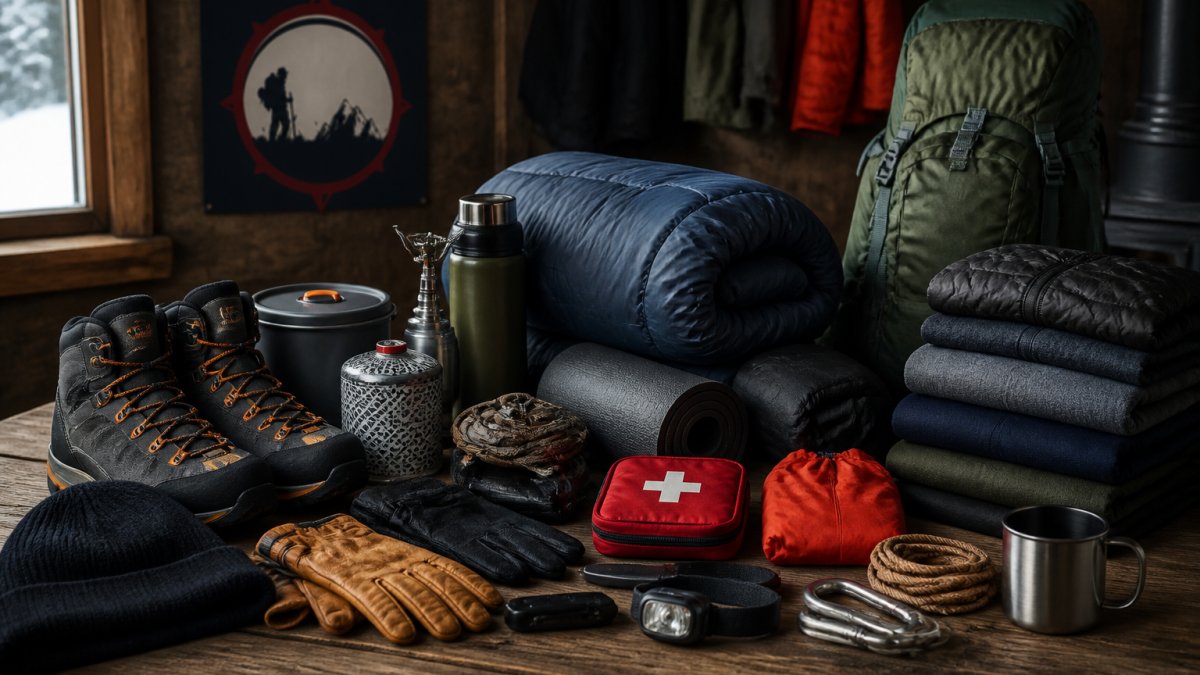
Essential items include insulated boots, wool socks, waterproof gaiters, insulated gloves or mittens, a warm hat, and hand warmers. Include a four-season tent, sleeping pad with R-value 5+, base layers, fleece midlayer, and shell jacket. Pack a stove designed for cold temperatures, insulated water bottle, headlamp, and a shovel for snow management. Don't forget extra socks, emergency shelter, and a first-aid kit rated for cold-weather injuries.
How do I keep water from freezing during winter camping trips?
Use an insulated water bottle or thermos to maintain temperature. Fill it with hot water before bed to provide warmth and prevent freezing overnight. Keep water bottles inside your sleeping bag rather than outside. Drink water frequently during the day to avoid carrying large frozen quantities. Melt snow for water using a camp stove rather than relying on frozen sources. Wide-mouth bottles freeze more slowly than narrow ones.