 blog
Is a 20 Degree Sleeping Bag Good for Autumn Camping?
Table of Contents
- Is a 20 Degree Sleeping Bag Good for Autumn Camping? The Short Answer
- 20 Degree Sleeping Bag Temperature Rating: What the Numbers Actually Mean
- How to Pick a Bag for Your Forecast Overnight Low
- 20 Degree vs 30 Degree Sleeping Bag: Which Fits Your Fall Trips?
- What to Wear in a Sleeping Bag in 40 Degree Weather
- Sleeping Pad R-Value for Cold Weather Camping
- Pros and Cons of a 20 Degree Bag for Autumn Camping
- Conclusion
- Frequently Asked Questions
Last Updated: October 18, 2026
Is a 20 Degree Sleeping Bag Good for Autumn Camping? The Short Answer
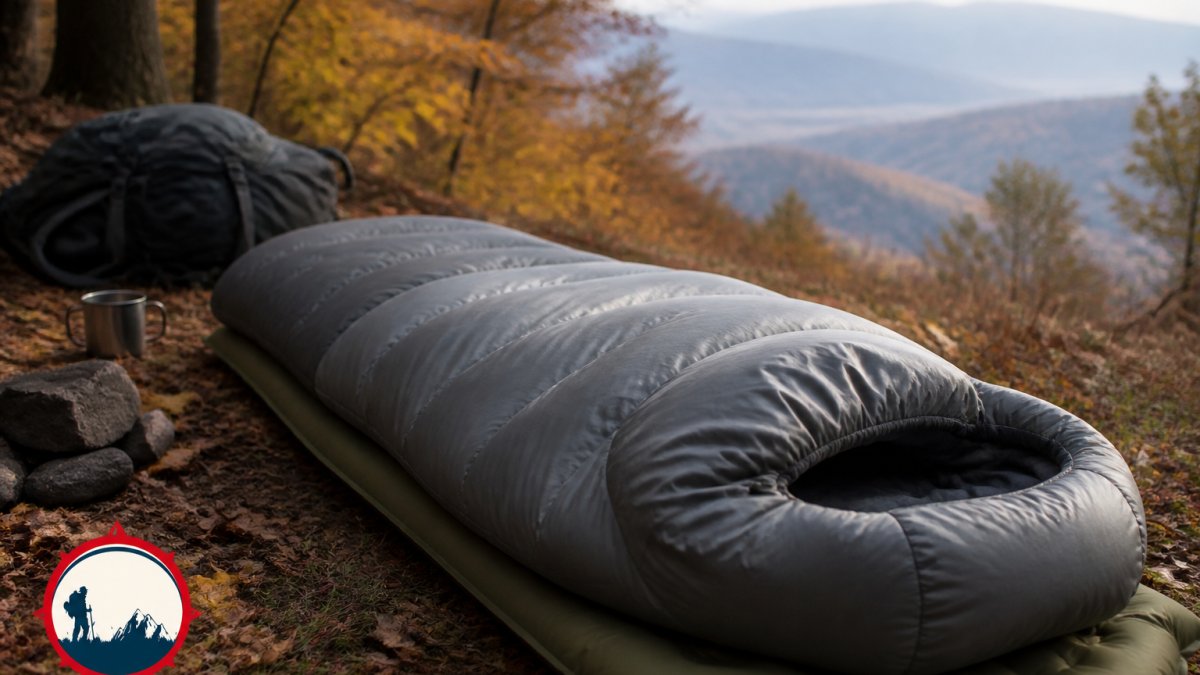
Yes, a 20 degree sleeping bag is a solid choice for autumn camping in most conditions, but only if you understand what that rating actually means.
The catch most guides skip: the number on the tag is not a promise of cozy sleep at that temperature. It is a test result, measured under specific conditions with a specific sleeper in mind.
20 Degree Sleeping Bag Temperature Rating: What the Numbers Actually Mean
A temperature rating tells you the coldest conditions a bag was tested to handle, not the temperature at which you will feel warm and comfortable. Confusing the two is the most common mistake we see.
Most bags sold today list a comfort rating and a lower limit; some also list a survival limit. Each number describes a different experience.
Comfort Rating vs. Lower Limit vs. Survival Limit
Comfort rating is the temperature at which an average cold-sensitive sleeper stays comfortable through the night.
Lower limit is the temperature at which an average warm sleeper stays warm without shivering.
Survival limit is the temperature at which a person can survive the night, not sleep well.
For a 20 degree sleeping bag, the comfort rating often lands several degrees warmer than the lower limit.
Reading ISO and EN Rating Labels
ISO and EN labels are standardized tests that let you compare bags from different makers consistently. Look for the label on the bag or product page; it usually lists comfort, lower limit, and sometimes survival figures.
If a bag has no ISO or EN rating, treat the stated temperature as an estimate. Many budget bags skip formal testing, so the number may be optimistic.
How to Pick a Bag for Your Forecast Overnight Low
Start with the forecast, not the bag. Check the overnight low for each night of your trip, not the daytime high, then pick a bag whose comfort rating sits at or below that low. Match the bag to the coldest night you expect, then add a margin.
A Direct Autumn Decision Guide by Forecast Low
Most guides stop at "check the forecast." Here is the mapping they skip. Use the overnight low, in Fahrenheit, and read across to the verdict for a 20°F bag.
| Forecast Overnight Low | Verdict for a 20°F Bag | What to Adjust |
|---|---|---|
| 50°F and above | Overkill | Vent the bag, sleep on top, or bring a 40°F bag |
| 40-49°F | Comfortable, with room to spare | Light base layer; expect to vent |
| 32-39°F | Ideal range | Normal base layer and a hat |
| 25-31°F | Workable at the edge | Add a liner, puffy layer, and a higher-R pad |
| 20-24°F | At the limit | Cold sleepers should size up to a 0°F bag |
| Below 20°F | Not enough | Move to a 0°F or colder bag and a winter pad |
Two clarifications prevent expensive mistakes. First, units: a 20°F bag is not a 20°C bag, 20°C is 68°F, roughly a summer night. If a listing says "20 degree" without a unit, confirm Fahrenheit or Celsius before you buy.
Adding a Temperature Safety Margin
Forecasts change, and a cold front can drop the overnight low further than predicted. We recommend choosing a bag rated about 10°F colder than your expected low to cover forecast error, wind, and damp air. If lows are around 35°F, a 20°F bag gives you a comfortable cushion; near 25°F, you are at the edge and should plan extra layers.
Warm Sleepers vs. Cold Sleepers
People run differently. A warm sleeper may be fine in a bag rated close to the forecast low, while a cold sleeper, or anyone using a women-specific bag, should lean toward the comfort rating and add a margin. Women-specific bags carry more insulation in the footbox and torso and are rated on a different test model, so trust their comfort number.
| Sleeper Type | What to Trust | Margin to Add |
|---|---|---|
| Warm sleeper | Lower limit | 5-10°F |
| Average sleeper | Comfort rating | 10°F |
| Cold sleeper | Comfort rating | 10-15°F |
Decision Examples for Real Autumn Conditions
- Mild early-fall forecast, low 48°F: A 20°F bag is more than enough. Plan to vent it or sleep with the bag unzipped.
- Typical mid-fall forecast, low 35°F: This is the sweet spot. A 20°F bag with a base layer and a hat is comfortable.
- Cold snap, low 26°F: Workable but at the edge. Add a bag liner, wear a puffy jacket, and use a pad with an R-value of 5 or higher.
The Complete Sleep System, Not Just the Bag
A rating is only one input. The same 20°F bag can feel warm at 30°F or cold at 40°F depending on what is under and around you. Weigh all five parts together:
- Pad insulation: Ground heat loss is the biggest variable. A pad with an R-value of 4 or higher is the baseline for autumn; snow or frozen ground calls for R-5 and up.
- Clothing: A dry base layer adds warmth; cotton steals it. Keep a dedicated dry sleep set.
- Shelter: A closed tent traps warmth; a tarp or hammock loses it faster and needs a warmer bag or underquilt.
If any one of those is weak, the bag's rating will not save the night. Match the whole system to the forecast, not just the tag.
20 Degree vs 30 Degree Sleeping Bag: Which Fits Your Fall Trips?
A 20 degree sleeping bag handles colder nights than a 30 degree bag, but it also weighs more and packs larger. The right pick depends on when and where you camp. The table below adds the 40°F bag most guides leave out, because early fall often calls for one.
| Bag Rating | Best Autumn Lows | Weight and Bulk | Overheating Risk | Best For |
|---|---|---|---|---|
| 40°F | 45°F and up | Lightest, smallest | Low | Early fall, mild nights, backpacking |
| 30°F | 35-45°F | Moderate | Moderate | Mid-fall, three-season use |
| 20°F | 20-35°F | Heavier, bulkier | High above 45°F | Late fall, elevation, cold sleepers |
Use this quick comparison:
- 20°F bag: Best for late fall, higher elevation, and trips with lows in the 20s and 30s. Heavier, but warmer. It is the most flexible single bag if you camp through the whole season.
- 30°F bag: Best for early-to-mid fall and nights with lows in the 40s. Lighter and easier to pack, and less likely to overheat you on a mild night.
- 40°F bag: Best for late summer and early fall with lows above 45°F. The lightest option, but it leaves you exposed if a cold front arrives.
The Overheating Trade-Off
A warmer bag is not automatically better. A 20°F bag on a 50°F night can leave you sweaty, and damp clothing inside a bag is the fastest way to get cold later. If your autumn trips are mostly mild, a 30°F bag with a liner gives more usable range than a 20°F bag you vent all night. If you camp late into the season or at elevation, the 20°F bag earns its extra weight.
A Simple Seasonal Rule
- September and early October, lows above 45°F: 40°F or 30°F bag.
- Mid-October, lows 35-45°F: 30°F bag, or a 20°F bag if you sleep cold.
- Late October and November, lows 20-35°F: 20°F bag.
If you camp through the whole season, a 20°F bag is the more flexible choice, it covers more of autumn and lets you add or remove layers. If you only camp in mild early fall, a 30°F or 40°F bag saves weight and prevents overheating.
What to Wear in a Sleeping Bag in 40 Degree Weather
In 40 degree weather, wear a light base layer and dry socks inside your bag. Skip heavy clothing, which can trap sweat and leave you colder. Dry layers beat thick ones.
Here is what we suggest for a 40°F night:
- A moisture-wicking base layer top and bottom
- Dry wool or synthetic socks
- A warm hat if you sleep cold
Avoid cotton. It holds moisture and pulls heat from your body. Keep a dry set of clothes just for sleeping.
Sleeping Pad R-Value for Cold Weather Camping
Your sleeping pad matters as much as your bag. The ground pulls heat from your body all night, and a bag alone cannot stop it.
For cold weather camping, choose a pad with a higher R-value.
Layer a closed-cell foam pad under an inflatable pad for extra insulation, a cheap way to boost warmth and protect against ground heat loss.
Pros and Cons of a 20 Degree Bag for Autumn Camping
A 20 degree sleeping bag is a strong all-around autumn pick, but it is not perfect for every trip. Here is our honest take.
Pros:
- Covers most autumn nights, from mild to cold
- Flexible with layers for warmer or colder conditions
- Good for late-season and higher-elevation trips
Cons:
- Heavier and bulkier than a 30°F bag
- Overkill for mild early-fall nights
- Not warm enough for true winter camping
Survive Nation offers sleeping bags built for real autumn conditions, and we are happy to help you match one to your forecast and sleep style. Our team has years of industry expertise with outdoor and emergency gear, and we keep prices affordable so you can build a reliable kit without overspending.
Conclusion
The real challenge with autumn camping is that conditions shift fast, and a bag that felt perfect in September can feel thin by late October.
That is where we come in. Survive Nation offers sleeping bags and outdoor gear designed to keep you ready for cold nights, backed by a fast, user-friendly shopping experience and a customer-service team that knows the gear.
Frequently Asked Questions
Is a 20 degree sleeping bag warm enough for autumn camping?
It usually is, as long as your overnight low stays above roughly 20°F with some margin. A 20 degree sleeping bag is rated for survival at that temperature, but the comfort rating typically sits higher, often around 30°F to 40°F. For most fall trips with lows in the 30s, a 20°F bag gives you a useful buffer. If the forecast dips into the teens, add a liner, wear dry base layers, and pair the bag with a high R-value sleeping pad.
What does a 20 degree sleeping bag temperature rating actually mean?
The number on the label refers to the lower limit, the temperature at which a warm sleeper in a base layer can expect to stay warm without shivering through the night. It is not the comfort rating, which is usually several degrees higher, and it is not the survival limit, which is colder still. Check the label for all three figures and treat the comfort rating as your planning number, especially if you sleep cold.
Do you need a sleeping pad with a 20 degree sleeping bag?
Yes. A sleeping bag insulates you from the air, but the ground pulls heat away far faster. Pair a 20°F bag with a pad rated around R-4 or higher for autumn camping, and go higher if the ground is frozen. Without adequate padding, the bag's insulation compresses under your body and you lose warmth from below regardless of the rating on the label.
Is a 20 degree sleeping bag suitable for winter camping?
For most people, no. Winter overnight lows routinely drop below 20°F, which pushes a 20 degree sleeping bag past its comfort range and into survival territory. Winter camping usually calls for a 0°F bag or colder, plus a higher R-value pad, a liner, and dry insulating layers. A 20°F bag works well as a three-season option for fall and cool spring trips, but treat true winter as a separate gear decision.