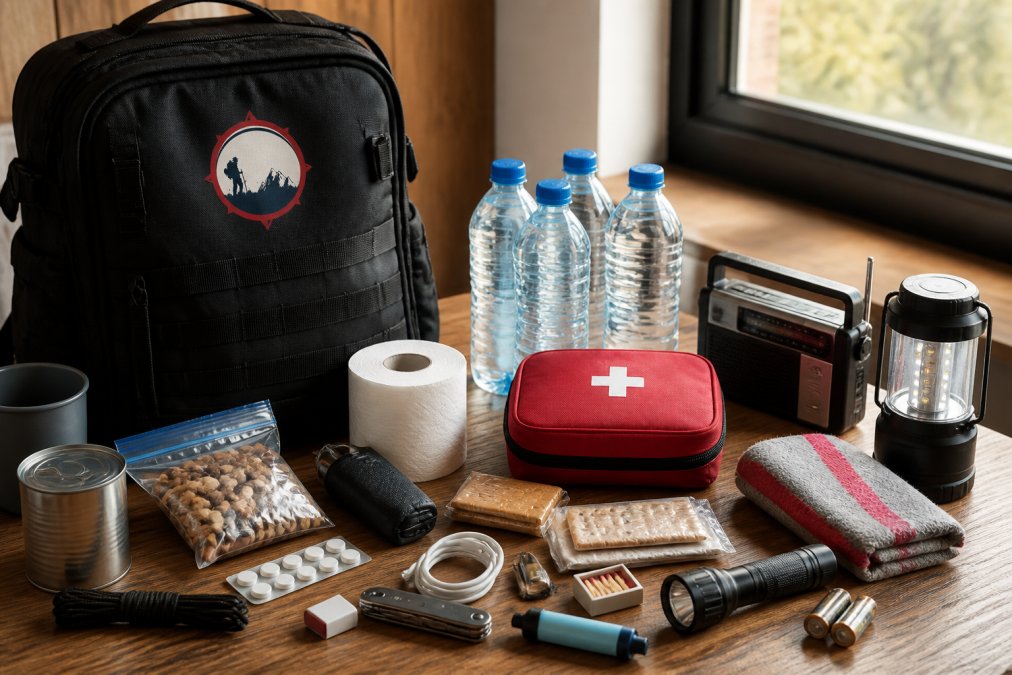
 ultimate-guide
Emergency Kit Essentials for Home: Complete 2026 Guide
Table of Contents
- Why Emergency Kit Essentials for Home Matter
- Water Storage and Purification
- Non-Perishable Food and Manual Can Opener
- First Aid Kit Essentials and Medical Supplies
- Lighting, Communication, and Multi-Tool Equipment
- Building Your 72-Hour Emergency Kit Checklist
- Emergency Kit Maintenance Schedule and Rotation
- Budget-Friendly DIY vs. Commercial Kits
- Frequently Asked Questions
Last Updated: September 25, 2026
Why Emergency Kit Essentials for Home Matter
When disaster strikes, whether a hurricane, power outage, or severe winter storm, you won't have time to run to the store. Emergency kit essentials for home represent the difference between managing a crisis and being caught unprepared. At Survive Nation, we offer high-quality outdoor and emergency preparedness gear designed to keep you ready for any situation.
The real challenge is knowing what actually matters when you can't leave your house, utilities fail, or roads become impassable. A 72-hour emergency kit checklist gives your family a concrete survival window while you wait for help to arrive. Most people underestimate how quickly water stops flowing, food spoils, communication fails, and injuries go untreated.
This guide walks you through every category of emergency kit essentials, from water purification to important documents, with practical advice on what works versus what collects clutter. We'll show you how to build a kit that matches your actual living situation, not a generic checklist designed for everyone and useful for no one.
Water Storage and Purification
Store at least one gallon of water per person per day. A family of four needs twelve gallons or more for a 72-hour kit. Water stored in food-grade containers lasts indefinitely in a cool, dark place; rotate it annually to maintain freshness.
Consider specific household needs: infants require formula-safe water, people with medical conditions may need more, and pets require water, a 20-pound dog needs about one gallon daily.
Non-Perishable Food and Manual Can Opener
Stock foods requiring no cooking or refrigeration: canned vegetables, fruits, beans, proteins, peanut butter, crackers, granola bars, and dried fruit. Include foods your family actually eats, an emergency isn't the time to discover you hate your rations.
First Aid Kit Essentials and Medical Supplies
Beyond basic supplies (bandages, gauze, antibiotic ointment, pain relievers, antiseptic wipes), include prescription medications in original labeled containers, at least a two-week supply stored in a cool, dry place and rotated before expiration.
Lighting, Communication, and Multi-Tool Equipment
Flashlights with extra batteries are essential. Use battery-powered or hand-crank models for reliable light without a power grid. Store flashlights in multiple rooms and test them monthly.
Building Your 72-Hour Emergency Kit Checklist
A 72-hour kit carries your family through the critical first three days when professional help may be delayed, giving rescue operations time to mobilize.
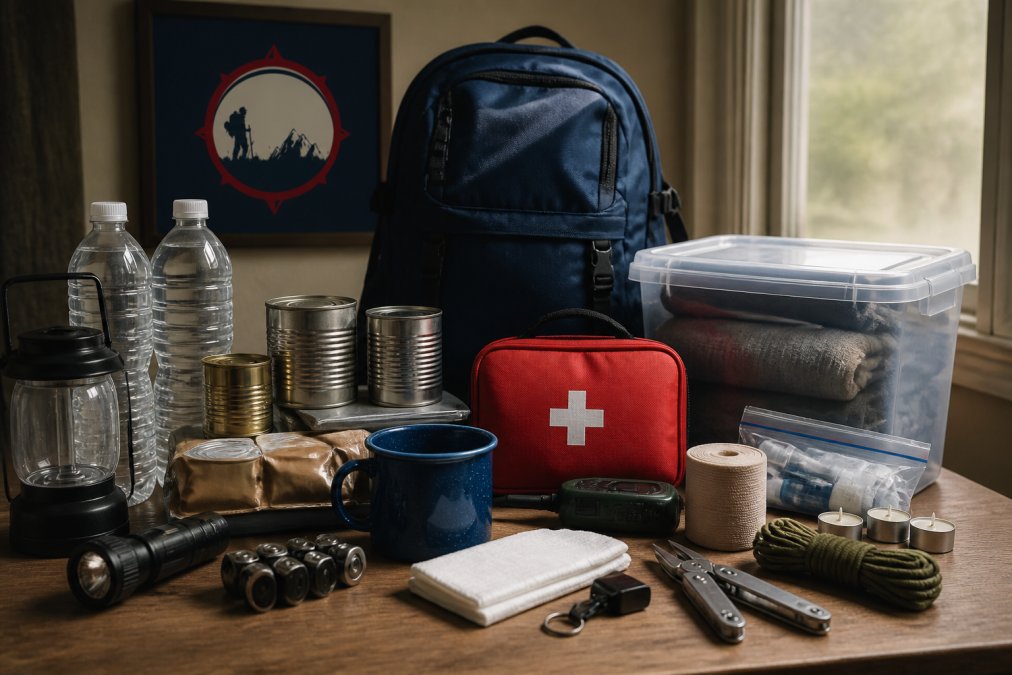
Sanitation and Personal Hygiene Items
Include toilet paper, hand sanitizer, soap, feminine hygiene products, disposable gloves, and trash bags. A portable camping toilet or bucket with liners handles sanitation if plumbing fails.
Clothing, Bedding, and Shelter
Pack sturdy shoes each family member would actually wear, plus socks and climate-appropriate clothing. Include a thermal blanket and sleeping bag for warmth.
Essential Documents for Disaster Preparedness
Store copies of insurance policies, property deeds, vehicle titles, passports, birth certificates, and Social Security cards in a waterproof container. Keep originals in a safe deposit box.
Emergency Kit Maintenance Schedule and Rotation
An emergency kit only works if you maintain it. Check your kit every six months, daylight saving time transitions are good reminders.
Budget-Friendly DIY vs. Commercial Kits
When building an emergency kit, you face a fundamental choice: purchase a pre-assembled commercial kit or build a customized DIY kit over time. Each approach has distinct advantages and limitations.
Commercial Emergency Kits: Convenience vs. Cost
Commercial kits offer completeness, everything arrives pre-selected and organized. They work well for people wanting a ready-made solution without research. A typical 4-person, 72-hour kit can vary in price.
DIY Kits: Customization and Cost Control
Building a DIY kit costs less overall and lets you customize for your actual situation. You can spread purchases over time, buying items on sale rather than paying premium prices for a complete kit. A comparable DIY 4-person, 72-hour kit can be assembled gradually, depending on quality choices and whether you already own some items.
Cost Breakdown: DIY Kit Assembly
Here's a realistic cost estimate for building a basic DIY 4-person, 72-hour kit from scratch:
Water and Purification:
- 12 gallons of bottled water or water storage containers
- Water purification tablets or portable filter
Non-Perishable Food:
- Canned vegetables, fruits, proteins, and beans
- Granola bars, crackers, peanut butter, dried fruit
First Aid and Medical:
- Basic first aid kit
- Prescription medications (if needed)
- Over-the-counter medications
Lighting and Communication:
- Flashlights (2-3 units)
- Batteries
- Battery-powered radio
- Whistle
Tools and Multi-Purpose Items:
- Multi-tool
- Duct tape, plastic sheeting, rope
Sanitation and Hygiene:
- Toilet paper, hand sanitizer, soap, wet wipes
- Portable camping toilet or bucket with liners
- N95 masks, gloves, trash bags
Clothing and Shelter:
- Sturdy shoes, socks, seasonal clothing
- Thermal blanket, sleeping bag, or tent
Documents and Organization:
- Waterproof containers or document safe
- Plastic sleeves, labels, markers
When to Choose DIY vs. Commercial
Choose DIY if:
- You have time to research and assemble items gradually
- Your household has specific medical needs or dietary preferences
- You want to control quality and avoid paying for items you don't need
- You're budget-conscious and can spread purchases over several months
- You already own some emergency supplies and want to fill gaps
Choose Commercial if:
- You need a complete kit immediately
- You have no emergency supplies and feel overwhelmed by the process
- You prefer the convenience of one-stop shopping
- You're willing to pay a premium for pre-assembled organization
- You want a kit for a secondary location (vacation home, office) and don't want to duplicate effort
Hybrid Approach: Best of Both Worlds
Many households use a hybrid strategy: purchase a commercial kit as a foundation, then customize it by removing items you don't need and adding items specific to your household. This approach can be a cost-effective option and takes less time than building from scratch while providing more customization than a pure commercial kit.
Frequently Asked Questions
What are the 10 most important items needed for a 72-hour emergency kit?
The core 10 items for a 72-hour emergency kit are: water (1 gallon per person per day), non-perishable food, first aid kit, flashlight with extra batteries, battery-powered radio, prescription medications, important documents copies, sturdy shoes, dust mask, and a multi-tool or wrench. These cover hydration, nutrition, medical needs, communication, and safety. Adjust based on your family's specific health needs and climate.
How often should I rotate supplies in my home emergency kit?
Review and rotate supplies twice yearly, spring and fall are ideal times. Check expiration dates on food, water, and medications. Replace expired items immediately. Test battery-powered equipment to ensure it works. Rotate canned food and bottled water every 6-12 months to maintain freshness. Update prescriptions and important documents annually. A maintenance schedule prevents discovering dead batteries or spoiled food during an actual emergency.
What documents should be included in a home emergency kit?
Essential documents for disaster preparedness include copies of insurance policies (home, auto, health), property deeds or mortgage papers, medical records and prescription lists, bank account information, tax returns, and family identification documents. Store copies in a waterproof, fireproof container. Keep originals in a safe deposit box. Digital copies on a secure cloud service provide backup access if physical documents are destroyed. Include emergency contact information and medical information for all family members.
How long should my home emergency kit last?
A basic home emergency kit should sustain your family for at least 72 hours (3 days) without outside help. This covers most localized disasters, power outages, severe weather, and temporary evacuation scenarios. For households with infants, elderly members, or medical needs, extend supplies to 2 weeks if possible. Consider your region's disaster history; areas prone to extended outages may benefit from 30-day kits. Start with 72 hours and expand as budget allows.
Are budget-friendly DIY kits as effective as commercial emergency kits?
Yes, DIY kits can be equally effective and often more affordable. Assemble items individually from retail stores rather than buying pre-packaged kits. You control quality, customize for your family's needs, and avoid paying markup. The trade-off: DIY requires more planning and research. Commercial kits offer convenience and expert curation but may include items you don't need. Many households find a hybrid approach works best, buy a quality foundation kit and customize with additional items specific to your region and family needs.
What emergency kit essentials do I need if I have infants or small children?
Beyond standard supplies, include infant formula (extra beyond normal use), disposable diapers and wipes, medications for common childhood illnesses, comfort items like stuffed animals or blankets, and age-appropriate snacks. Pack extra water for formula preparation. Include pediatric first aid supplies and a list of your child's medical history and allergies. Store items in child-safe containers. Update formula and medications every 6 months as children grow. Consider including entertainment items to reduce anxiety during emergencies.
Should I keep physical or digital copies of important documents in my emergency kit?
Use both. Physical copies in a waterproof, fireproof container survive scenarios where electricity fails or internet access is unavailable. Digital copies stored securely in cloud services (with strong passwords) provide backup access if physical documents are destroyed or inaccessible. Laminate critical physical copies to extend durability. Keep a USB drive with encrypted digital copies in your kit as an additional backup. This dual approach ensures you can access vital information regardless of the disaster type.